Cryptocurrency has opened the door to a new kind of financial freedom. People can store value, transfer money across borders instantly, and participate in decentralized systems without relying on banks. But with this freedom comes responsibility. Unlike traditional financial systems, crypto transactions are usually irreversible, and self-custody means you are responsible for protecting your assets.
Over the past few years, billions of dollars worth of cryptocurrency have been lost due to exchange hacks, phishing scams, wallet vulnerabilities, and poor security practices. Many of these losses could have been prevented with simple precautions. This is why having a strong crypto security checklist is essential for anyone involved in digital assets.
Crypto security is not just about protecting a wallet. It involves multiple layers of protection, including safe exchanges, secure wallets, strong authentication, protection from phishing attacks, and careful management of recovery phrases. Each layer works together to reduce the chances of losing funds.
This guide provides a practical and well-researched checklist for safe crypto usage. Whether you are a beginner buying your first cryptocurrency or an experienced investor managing a large portfolio, these security practices will help protect your assets and give you peace of mind.
Choose the Right Crypto Wallet
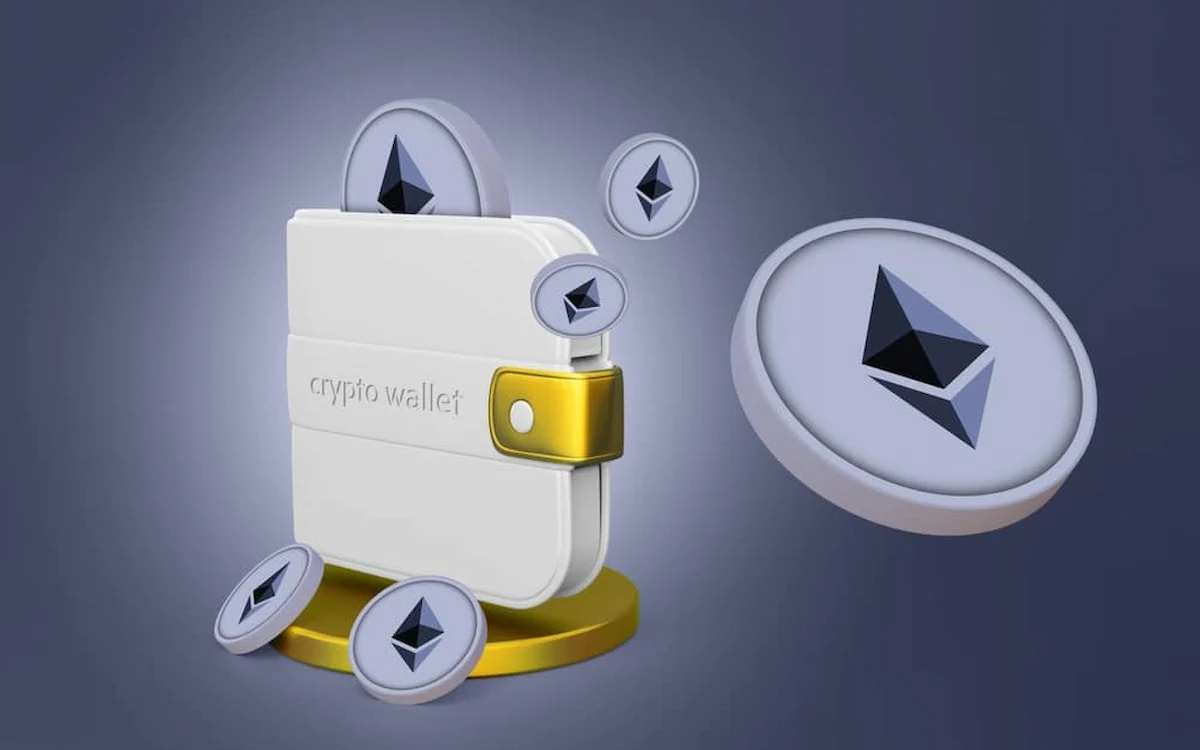
The first step in crypto security is choosing the right wallet. A crypto wallet stores the private keys that allow you to access and control your digital assets. If someone gains access to your private keys, they can transfer your funds without your permission.
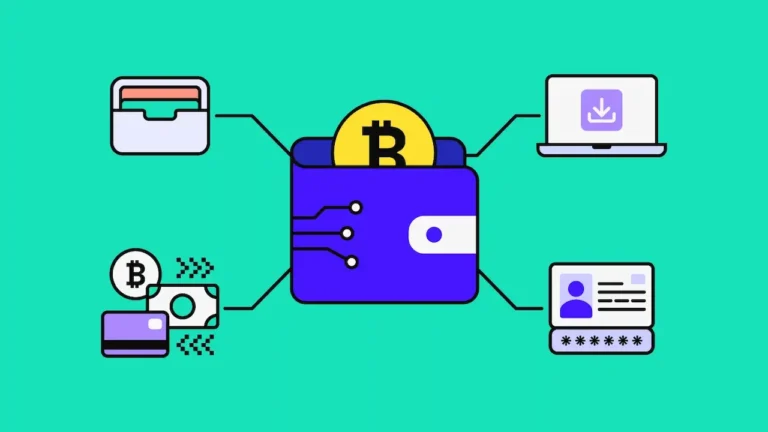
Crypto wallets generally fall into two main categories: hot wallets and cold wallets.
Hot wallets are connected to the internet. These include mobile wallets, desktop wallets, and browser extensions. They are convenient and easy to use, but are also more vulnerable to hacking and malware.
Cold wallets store private keys offline. These include hardware wallets and paper wallets. Since they are not connected to the internet, they are much safer for storing large amounts of cryptocurrency.
For long-term storage, a hardware wallet is usually considered the safest option. Hardware wallets keep private keys isolated from your computer or phone, which protects them from malware attacks.
When selecting a wallet, make sure it meets the following security standards:
- Open source or well audited software
- Strong community reputation
- Regular security updates
- Support for backup and recovery
- Compatibility with hardware wallets, if needed
Avoid unknown or newly released wallets without a proven track record. Security flaws often appear in poorly tested applications.
Another important practice is separating wallets based on usage. For example, you can keep a small amount of crypto in a hot wallet for daily transactions while storing the majority of funds in a cold wallet.
This approach reduces risk and limits potential losses if a hot wallet becomes compromised.
Use Secure and Trusted Crypto Exchanges
Crypto exchanges are platforms where users buy, sell, and trade digital assets. While they offer convenience, exchanges are also major targets for hackers because they hold large amounts of funds.
Several well-known exchange hacks have occurred in the past decade, leading to massive losses for users. Although security standards have improved, risks still exist.
Before using an exchange, evaluate its security features carefully. A reliable crypto exchange should provide:
- Strong security infrastructure
- Insurance funds or protection programs
- Cold storage for user assets
- Transparent security policies
- A long track record without major security breaches
It is also wise to avoid storing large amounts of crypto on exchanges. Exchanges control the private keys for user funds, which means you do not have full ownership of the assets stored there.
A common principle in the crypto community is simple: Not your keys, not your coins.
After purchasing cryptocurrency on an exchange, transfer it to a personal wallet whenever possible. This ensures you remain in control of your funds.
Users should also verify the official website before logging in to an exchange. Many attackers create fake websites that mimic legitimate platforms to steal login credentials.
Bookmark the official website and avoid clicking exchange links from emails or unknown sources.
Enable Strong Two Factor Authentication
Passwords alone are not enough to protect crypto accounts. Many security breaches happen because attackers obtain passwords through phishing, malware, or data leaks.
Two-factor authentication, often called 2FA, adds a security layer to your accounts. Even if someone obtains your password, they still cannot access the account without the second authentication factor.
Most crypto exchanges and wallets support multiple types of 2FA.
The most secure option is an authenticator app such as Google Authenticator or Authy. These apps generate time-based one-time codes that change every few seconds.
Another strong option is hardware security keys, which require physical confirmation before login.
SMS based authentication is less secure because attackers may perform SIM swap attacks to take control of your phone number. For this reason, many security experts recommend avoiding SMS based 2FA whenever possible.
To strengthen your protection, enable 2FA for all crypto-related services, including:
- Crypto exchanges
- Wallet applications
- Email accounts connected to crypto platforms.
- Cloud storage containing wallet backups
Your email account deserves special attention because password resets for exchanges and wallets often rely on email verification. If someone gains access to your email, they may be able to reset your Exchange credentials.
Using a strong email password and enabling 2FA on email accounts significantly reduces this risk.
Protect Yourself From Phishing Attacks
Phishing remains one of the most common threats in the cryptocurrency ecosystem. In a phishing attack, scammers trick users into revealing login credentials, private keys, or recovery phrases.
These attacks often appear as fake emails, social media messages, or websites that imitate legitimate crypto platforms.
A typical phishing email might claim that there is suspicious activity on your account and ask you to log in immediately. The message will include a link that leads to a fake website designed to capture your credentials.
Once attackers obtain login details, they can access the account and transfer funds instantly.
To avoid phishing attacks, follow these essential practices:
Always check the website URL carefully before entering login information. Attackers often use slightly altered domain names that look similar to legitimate sites.
Never click links from unsolicited emails or messages related to cryptocurrency accounts.
Use bookmarks for frequently used crypto platforms instead of searching for them online each time.
Do not share private keys or recovery phrases with anyone. Legitimate services will never ask for them.
Be cautious when downloading wallet software or browser extensions. Always download from official sources and verify authenticity.
Phishing attempts have become increasingly sophisticated. Some attackers create nearly identical replicas of exchange websites or send convincing emails that appear legitimate.
Developing a habit of verifying every crypto-related interaction is one of the most effective defenses against these scams.
Secure Your Recovery Phrase
When creating a crypto wallet, you will receive a recovery phrase, often called a seed phrase. This phrase usually consists of 12 to 24 words and acts as the master key to your wallet.
Anyone who has access to the recovery phrase can restore the wallet and control the funds.
Because of this, protecting the recovery phrase is one of the most critical aspects of crypto security.
The safest approach is to write the recovery phrase on paper and store it in a secure physical location. Some users prefer using metal backup plates designed to resist fire and water damage.
Avoid storing recovery phrases digitally on devices connected to the internet. Saving them in cloud storage, screenshots, or notes apps increases the risk of exposure through hacking or malware.
It is also important to create multiple backups and store them in separate secure locations. This protects against physical damage or accidental loss.
Never share your recovery phrase with anyone claiming to offer technical support. Many scammers pose as support agents and ask users to reveal their recovery phrases.
Once the phrase is shared, the wallet can be drained within seconds.
Protecting your recovery phrase ensures that even if your device is lost or damaged, you can still recover your funds safely.
Secure Your Devices and Network
Even the most secure wallet cannot protect funds if the device used to access it is compromised. Many crypto thefts happen because attackers infect computers or smartphones with malware that records keystrokes, copies clipboard data, or steals login credentials.
Device security should therefore be treated as a core part of your crypto protection strategy.
Start by keeping all devices updated with the latest operating system and security patches. Updates often fix vulnerabilities that hackers actively exploit. Delaying these updates can leave your device exposed to known security flaws.
Install applications only from official stores or verified sources. Pirated software and unofficial downloads frequently contain hidden malware designed to steal crypto wallet information.
Antivirus and anti-malware tools can also provide an additional layer of protection. While they are not perfect, they can help detect suspicious programs before they cause damage.
Another important habit is to lock devices with strong authentication methods. Use long passwords, biometric authentication, or passcodes on smartphones and computers. This prevents unauthorized access if your device is lost or stolen.
Public WiFi networks present another common risk. Hackers sometimes create fake hotspots or monitor unsecured networks to intercept sensitive data.
When accessing crypto wallets or exchanges, avoid public WiFi whenever possible. If you must use it, connect through a trusted virtual private network. A VPN encrypts your internet traffic and reduces the risk of interception.
Dedicated devices can also improve security. Some experienced crypto users maintain a separate computer or smartphone exclusively for financial transactions. By limiting usage to crypto-related activities, the chance of downloading malicious software becomes much lower.
Maintaining clean, secure devices significantly reduces the chances of attackers gaining access to your wallets or accounts.
Understand the Risks of Smart Contracts and DeFi Platforms
Decentralized finance platforms and smart contracts have created new opportunities for earning interest, trading tokens, and participating in blockchain-based applications. However, these systems also introduce new security risks.
Smart contracts are pieces of code deployed on blockchain networks that execute automatically when certain conditions are met. While they remove the need for intermediaries, they can still contain coding errors or vulnerabilities.
If a smart contract contains a flaw, attackers may exploit it to drain funds from the protocol. Several major DeFi hacks have occurred due to vulnerabilities in poorly audited contracts.
Before interacting with any decentralized application, it is important to research the platform carefully. Check whether the project has undergone independent security audits and whether the development team is transparent about its work.
Community reputation is another useful signal. Established projects with active communities and longer track records generally present lower risk than newly launched platforms with anonymous teams.
Users should also review the permissions they grant to smart contracts. When connecting a wallet to a decentralized application, the platform may request permission to access certain tokens.
Granting unlimited token approvals can be dangerous because a malicious or compromised contract could transfer funds without further confirmation.
Whenever possible, limit token permissions to the specific amount required for a transaction.
Using tools that allow users to review and revoke smart contract approvals can also improve security. Regularly checking these permissions helps ensure that outdated or risky contracts no longer have access to your wallet.
Understanding the risks associated with smart contracts helps users make informed decisions and avoid interacting with unsafe platforms.
Practice Safe Transaction Habits
Crypto transactions happen quickly and usually cannot be reversed. Because of this, careful transaction practices are essential.
Before sending cryptocurrency, always double-check the wallet address. Many types of malware can replace copied wallet addresses with an attacker’s address in the clipboard. If the address is not verified carefully, funds may be sent to the wrong recipient.
A simple precaution is to compare the first and last characters of the address after pasting it. This quick check helps confirm that the address has not been altered.
Sending a small test transaction is another good practice when transferring large amounts of cryptocurrency. By sending a small amount first, you can confirm that the destination address is correct before transferring the full balance.
Users should also remain cautious when scanning QR codes for transactions. Malicious QR codes can redirect funds to attacker-controlled wallets.
Whenever possible, verify the destination address displayed by the wallet before approving the transaction.
Some hardware wallets include built-in screens that display transaction details independently from the computer. This feature ensures that even if a computer is compromised, the user can still verify transaction information on the device itself.
Taking a few extra seconds to verify each transaction can prevent costly mistakes and protect valuable assets.
Separate and Manage Your Crypto Holdings
Another effective security strategy is to divide cryptocurrency holdings across different wallets. This method reduces the risk of losing everything if a single wallet becomes compromised.
For example, users can organize wallets into different categories.
A spending wallet may contain small amounts used for everyday transactions or trading activities. This wallet might be stored on a mobile device for convenience.
A savings wallet can hold the majority of funds and remain stored in a hardware wallet or offline storage. Since this wallet is accessed less frequently, it remains more secure.
Some users also maintain a separate wallet for interacting with decentralized applications. By isolating these activities from their primary storage wallet, they reduce the impact of potential smart contract vulnerabilities.
Diversifying storage locations adds another layer of protection. Keeping backups or wallets in multiple physical locations protects against theft, natural disasters, or accidental damage.
This layered approach ensures that even if one component fails, the entire portfolio remains protected.
Monitor Accounts and Stay Informed
Security is not a one-time setup. The crypto ecosystem evolves rapidly, and new threats appear regularly. Staying informed about security practices and monitoring accounts can help detect problems early.
Most exchanges provide activity logs that show login attempts, withdrawals, and account changes. Reviewing this activity periodically allows users to spot unusual behavior.
Email alerts and withdrawal notifications are also useful. Enabling these alerts ensures that users are notified immediately if funds move or login attempts occur.
Following trusted sources for crypto security updates can also be helpful. Security researchers and blockchain analytics firms often report emerging scams or vulnerabilities.
Being aware of these risks allows users to avoid suspicious projects and fraudulent schemes before becoming victims.
Education remains one of the strongest defenses in crypto security. The more users understand threats and protection strategies, the harder it becomes for attackers to succeed.
The Complete Crypto Security Checklist
For quick reference, here is a consolidated checklist for safe crypto usage:
- Use trusted wallets with strong security reputations
- Store long-term holdings in hardware or cold wallets
- Transfer funds from exchanges to personal wallets when possible.
- Enable two-factor authentication on all crypto accounts.
- Protect email accounts with strong passwords and 2FA.
- Verify website URLs before logging into exchanges.
- Never share private keys or recovery phrases.
- Store recovery phrases offline in secure locations
- Keep devices updated and protected from malware.
- Avoid accessing crypto accounts on public WiFi networks.
- Research smart contracts and DeFi platforms before using them
- Limit token approvals for decentralized applications.
- Double-check wallet addresses before sending funds
- Send small test transactions when transferring large amounts
- Separate crypto holdings across different wallets
- Monitor account activity and security alerts regularly.
Following this checklist can dramatically reduce the chances of losing cryptocurrency due to hacking, scams, or human error.
Final Thoughts
Cryptocurrency offers powerful financial opportunities, but it also demands a higher level of personal responsibility. Without proper security practices, digital assets can be vulnerable to a wide range of threats, including phishing scams, exchange breaches, malware, and smart contract exploits.
The good news is that most crypto losses occur because basic precautions are ignored. By following a structured security checklist and adopting safe habits, users can significantly reduce their exposure to risk.
Strong wallets, trusted exchanges, reliable authentication methods, careful transaction verification, and secure storage of recovery phrases all contribute to a safer crypto experience. Each layer of protection strengthens the overall security of your digital assets.
As the crypto ecosystem continues to grow, security awareness will remain one of the most valuable skills for any investor or user. Taking the time to implement these practices today can protect your assets for years to come and allow you to participate in the world of cryptocurrency with confidence.
Read also: How to Secure NFTs in a Wallet