Entering the world of cryptocurrency can feel exciting and slightly intimidating at the same time. Many new users buy their first Bitcoin or Ethereum and quickly run into the same question. Where should I store it safely? The answer usually leads to crypto wallets, but choosing the right one can be confusing. There are dozens of options, each claiming to be secure, simple, and beginner-friendly.
For someone just starting, the ideal wallet balances three things. It should be easy to use, simple to back up, and strong in terms of security. If any one of these is missing, the experience can become frustrating or risky. A complicated wallet can discourage new users, while a poorly secured one can expose funds to theft or accidental loss.
This guide explores the wallets that beginners often find easiest and safest to start with. It focuses on user experience, backup simplicity, and the risks associated with different types of wallets. Understanding these factors will help you choose a wallet that matches your comfort level and keeps your assets protected.
Understanding What a Crypto Wallet Actually Does
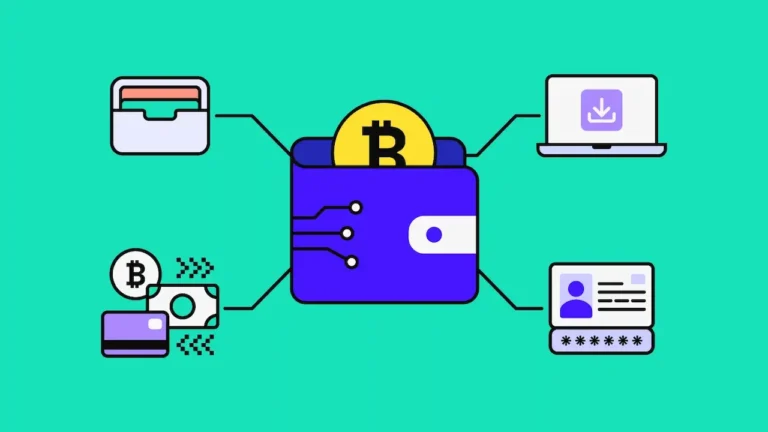
A common misconception is that crypto wallets store your cryptocurrency in the same way a physical wallet stores cash. In reality, a wallet stores the private keys that allow you to access and control your crypto on the blockchain.
Think of the blockchain as a global ledger that records ownership. Your wallet simply holds the digital keys that prove that the assets belong to you. If someone gains access to those keys, they can move your funds. If you lose them, your crypto can become permanently inaccessible.
Because of this, wallets must solve two important problems. They must make it easy for users to manage their keys, and they must protect those keys from attackers or accidental loss. The best beginner wallets succeed in doing both without overwhelming the user.
Types of Wallets Beginners Usually Encounter
Before comparing specific options, it helps to understand the main categories of wallets.
Custodial wallets are managed by exchanges or platforms. When you store crypto on an exchange like Coinbase or Binance, the company holds the private keys on your behalf. This approach is simple because the platform manages backups and recovery. However, it also means you do not fully control your assets.
Non-custodial wallets give users full control of their private keys. Apps like Trust Wallet or MetaMask fall into this category. These wallets generate a recovery phrase that allows you to restore access if your device is lost. The responsibility of keeping that phrase safe falls entirely on the user.
Hardware wallets are physical devices that store private keys offline. They are widely considered the most secure option but require a small purchase and slightly more setup.
For beginners, the choice usually comes down to custodial exchange wallets, simple mobile wallets, or entry-level hardware wallets.
Why User Experience Matters for First-Time Users
A wallet might offer excellent security, but if the interface is confusing, it can lead to mistakes. In cryptocurrency, mistakes can be costly and irreversible. Sending funds to the wrong address or misunderstanding transaction fees can result in permanent loss.
Beginner-friendly wallets focus on clarity and simplicity. They often include step-by-step onboarding, clear transaction previews, and warnings when users attempt risky actions. Good design reduces the chance of errors and helps new users feel confident.
Mobile wallets tend to offer the smoothest user experience because they resemble familiar banking apps. Many provide simple dashboards that show balances, transaction history, and basic send or receive buttons.
For example, Trust Wallet and Coinbase Wallet are often praised for intuitive layouts and easy setup. These apps guide users through wallet creation in a few minutes while explaining key security concepts along the way.
A well-designed wallet also simplifies address sharing. Instead of manually copying long strings of characters, users can scan QR codes or tap a button to copy an address. Small details like these make a big difference for beginners.
Backup Simplicity and Why It Is Critical
Backup is one of the most important aspects of wallet security. Since crypto wallets rely on private keys, losing those keys means losing access to your funds.
Most non-custodial wallets solve this with a recovery phrase, sometimes called a seed phrase. This is typically a list of 12 or 24 words generated when the wallet is created. Anyone who has this phrase can restore the wallet and access the funds.
For beginners, the safest wallets are those that clearly guide users through this process. They encourage writing the phrase down and verifying it before completing setup.
Some wallets also add optional security layers such as biometric locks or PIN codes. These features help protect the wallet on the device itself, but the recovery phrase remains the ultimate backup.
Hardware wallets handle backups similarly. When first setting up the device, users write down the seed phrase provided by the device. If the hardware wallet is lost or damaged, the phrase can be used to restore funds on another device.
Custodial wallets differ here because the platform manages backups. If you forget your password, you can often recover access through identity verification. While this is convenient, it also means trusting the company with your assets.
For beginners who worry about managing their own backup, custodial wallets may feel safer at first. However, many people eventually move to non-custodial wallets once they understand how recovery phrases work.
Wallet Options That Balance Simplicity and Security
Several wallets consistently appear in discussions about beginner-friendly crypto storage. Each has strengths and tradeoffs.
Coinbase Wallet
Coinbase Wallet is separate from the Coinbase exchange but integrates easily with it. The wallet is non-custodial, meaning users control their private keys. It offers a clean interface and strong guidance during setup.
The app provides clear instructions for writing down and verifying the recovery phrase. It also supports biometric security on mobile devices, which adds an extra layer of protection. For beginners already using the Coinbase exchange, this wallet often feels like a natural next step.
Trust Wallet
Trust Wallet is another widely used mobile wallet known for simplicity. It supports a large number of cryptocurrencies and offers a straightforward setup process. The interface focuses on basic functions such as sending, receiving, and viewing balances.
One advantage of Trust Wallet is its minimal learning curve. New users can install the app, generate a wallet, and begin using it within minutes. It also emphasizes seed phrase backup during setup, which encourages better security habits from the start.
MetaMask
MetaMask is popular among users who interact with decentralized applications and Ethereum-based networks. While slightly more technical than some wallets, it remains approachable for beginners interested in Web3.
The browser extension and mobile app allow users to connect to decentralized platforms easily. MetaMask also provides clear seed phrase backup instructions and allows hardware wallet integration for additional security.
These software wallets offer a balance between usability and control. They are typically free and accessible to anyone with a smartphone or browser.
The Role of Hardware Wallets for Maximum Security
For users who plan to hold significant amounts of cryptocurrency, hardware wallets are often considered the gold standard for security.
Devices such as Ledger or Trezor keep private keys offline, which makes them far more resistant to malware and online attacks. Transactions must be confirmed physically on the device, which prevents remote hackers from signing transactions.
Although hardware wallets require an initial purchase and setup, many beginners find the process simpler than expected. Modern devices provide clear instructions and companion apps that guide users step by step.
The main advantage of hardware wallets is isolation. Since private keys never leave the device, the risk of digital theft is significantly reduced. Even if a computer becomes infected with malware, the hardware wallet still protects the keys.
However, hardware wallets still rely on a recovery phrase for backup. Users must store that phrase securely, just as they would with a software wallet.
Understanding the Real Risks of Crypto Wallets
While modern wallets have improved significantly in terms of usability and security, beginners should still understand the risks involved. Cryptocurrency operates without a central authority, which means mistakes are rarely reversible. Unlike traditional banking systems, there is usually no customer support team that can recover funds if something goes wrong.
One of the most common risks is phishing attacks. Attackers often create fake websites or apps that look identical to legitimate wallets. These fake platforms attempt to trick users into entering their recovery phrase. Once the phrase is revealed, attackers can instantly move the funds to their own addresses.
The safest way to avoid this is by downloading wallets only from official websites or trusted app stores. Users should also verify links carefully and avoid entering recovery phrases anywhere online unless they are restoring a wallet within the official application.
Another frequent risk involves sending funds to the wrong address or network. Cryptocurrency addresses are long strings of letters and numbers, and a small mistake can lead to irreversible transactions. Many beginners also accidentally send tokens on incompatible networks, which can result in lost funds.
Wallets that clearly display network information and transaction previews help reduce this risk. Features like QR code scanning and address book functions can also make transactions safer and easier.
Malware and compromised devices present another potential threat. If a phone or computer becomes infected with malicious software, attackers may attempt to intercept transactions or access sensitive data. Keeping devices updated and avoiding suspicious downloads is an important part of wallet security.
Finally, there is the risk of losing the recovery phrase. Many early crypto users have permanently lost access to their funds because they misplaced or forgot their seed phrase. This risk highlights the importance of secure and reliable backups.
Choosing the Right Wallet Based on Your Needs
The easiest and safest wallet depends largely on how a beginner plans to use cryptocurrency. Someone experimenting with small amounts may prefer simplicity, while someone holding larger investments may prioritize stronger security.
For beginners who want the simplest starting point, custodial wallets on reputable exchanges can be the easiest option. They remove the responsibility of managing private keys and recovery phrases. Logging in works much like accessing an online banking account.
However, custodial wallets come with an important tradeoff. Because the platform controls the keys, users are trusting the exchange to protect their assets. If the exchange experiences security issues or operational problems, funds may become inaccessible.
Non-custodial mobile wallets offer a middle ground between ease of use and ownership. They provide full control over private keys while maintaining simple interfaces. Many beginners find that apps like Trust Wallet or Coinbase Wallet provide the right balance.
For users who want the highest level of security from the beginning, hardware wallets are often recommended. Although they require a small investment, they dramatically reduce exposure to online threats. Long-term investors frequently move funds to hardware wallets after purchasing crypto on exchanges.
In practice, many people use a combination of wallets. For example, a user might keep small amounts in a mobile wallet for everyday use while storing larger holdings in a hardware wallet for long-term security.
Key Features That Make a Wallet Beginner-Friendly
When evaluating a wallet, beginners should focus on a few essential features that improve both safety and usability.
One important feature is clear onboarding guidance. The best wallets walk users through setup step by step and explain concepts like recovery phrases and private keys in simple language. This reduces confusion and encourages good security habits.
Another helpful feature is transaction transparency. A good wallet clearly shows the amount being sent, network fees, and the recipient address before confirming a transaction. This preview step helps users verify details before committing funds.
Security layers such as PIN codes, biometrics, or passphrases also improve protection. These features prevent unauthorized access if a phone or device is lost.
Many modern wallets also include network protection warnings. If a user attempts to send tokens on the wrong network, the wallet may alert them before the transaction proceeds. This feature alone has prevented many costly mistakes.
Finally, open source transparency can be an indicator of trustworthiness. Some widely respected wallets publish their code publicly, allowing security researchers to audit it for vulnerabilities.
While beginners may not analyze source code directly, open source development generally encourages stronger security standards across the ecosystem.
Practical Tips for Safely Managing Your First Wallet
Starting with a secure wallet is only part of the equation. Safe habits also play an important role in protecting crypto assets.
First, always write down your recovery phrase on paper rather than storing it digitally. Screenshots, cloud notes, or email storage can expose the phrase to hackers if those accounts are compromised.
Second, consider storing the phrase in more than one secure location. Some people keep a backup copy in a safe or secure storage box. The goal is to protect the phrase from both theft and accidental loss.
Third, avoid sharing sensitive information with anyone. Legitimate wallet providers will never ask for your recovery phrase. Anyone requesting it is almost certainly attempting to steal funds.
Another good practice is testing small transactions when using a wallet for the first time. Sending a small amount helps confirm that addresses and networks are correct before transferring larger amounts.
It is also wise to keep wallet software updated. Updates often include security patches and improvements that help protect against emerging threats.
By combining the right wallet with careful habits, beginners can significantly reduce the risks associated with cryptocurrency storage.
The Balance Between Simplicity and Security
One of the biggest challenges for beginners is balancing convenience with safety. Extremely secure setups can sometimes feel complicated, while very simple solutions may involve greater trust in third parties.
For many people, starting a well-designed mobile wallet provides the best entry point. These wallets are easy to install, simple to navigate, and capable of securely storing a variety of cryptocurrencies.
As users become more comfortable with the technology, they often explore additional security options such as hardware wallets or multi-wallet setups. This gradual approach allows beginners to learn without feeling overwhelmed.
It is also important to remember that security in crypto is not only about technology. Awareness and education play an equally important role. Understanding how wallets work, how recovery phrases protect funds, and how scams operate can prevent many of the mistakes that lead to losses.
Conclusion
Choosing the easiest and safest crypto wallet to start with does not require technical expertise, but it does require understanding a few key principles. A good wallet should provide a clear user experience, reliable backup options, and strong security practices.
Mobile wallets like Trust Wallet, Coinbase Wallet, and MetaMask have become popular starting points because they combine simplicity with full control over private keys. For users who want an additional layer of protection, hardware wallets offer some of the strongest security available in the crypto ecosystem.
Regardless of the wallet chosen, the most important responsibility always remains with the user. Protecting the recovery phrase, verifying transactions carefully, and staying aware of common scams are essential habits for anyone entering the world of cryptocurrency.
With the right wallet and a thoughtful approach to security, beginners can confidently begin their crypto journey while keeping their assets safe.
Read also: Step-by-Step Guide to Start Trading Crypto