The rise of non-fungible tokens has transformed how people collect, trade, and own digital assets. From art and music to gaming items and digital identities, NFTs represent ownership recorded on a blockchain. As the market grows, so does the value stored in digital wallets. This has made NFTs an increasingly attractive target for hackers, scammers, and malicious actors.
Unlike traditional assets, NFTs are stored and managed through cryptocurrency wallets. Ownership is tied directly to private keys. If someone gains access to your wallet or private key, they effectively gain control of your NFTs. Because blockchain transactions are irreversible, stolen NFTs are often difficult or impossible to recover. This makes security one of the most important responsibilities for any NFT holder.
Many users enter the NFT space with strong enthusiasm but limited awareness of wallet security. Stories of stolen collections, phishing attacks, and compromised wallets appear frequently across online communities. Most of these incidents do not happen because blockchain technology itself fails. They happen because users unknowingly expose private keys, interact with malicious websites, or store valuable assets in vulnerable environments.
Protecting NFTs requires understanding how wallets work and adopting careful habits when interacting with the blockchain. Simple steps such as using secure storage methods, verifying links, and separating valuable assets from daily activity can dramatically reduce risk. By combining good technology choices with cautious behaviour, NFT owners can safeguard their collections against common threats.
This guide explores practical strategies for securing NFTs in a wallet. It explains the difference between hot wallets and cold storage, outlines essential security practices, and highlights the most common phishing risks in the NFT ecosystem.
Understanding How NFT Wallet Security Works
NFTs do not actually sit inside a wallet in the way files sit on a computer. Instead, they exist on a blockchain such as Ethereum, Solana, or Polygon. The wallet functions as an interface that allows users to access and control assets recorded on the blockchain.
The key element that determines ownership is the private key. A private key is a cryptographic code that proves you control a wallet address. Anyone who possesses this key can authorize transactions, transfer NFTs, or move cryptocurrency associated with the wallet.
Most wallets simplify this process by generating a seed phrase, usually consisting of twelve or twenty-four words. This phrase acts as a backup for the private key. If the seed phrase is lost, access to the wallet may be permanently lost. If the phrase is exposed, anyone who obtains it can restore the wallet and access the assets.
Because of this design, NFT security depends largely on how well users protect these keys and phrases. Unlike bank accounts, there is usually no customer support that can reverse transactions or restore compromised accounts.
Wallet security, therefore, revolves around two main principles. First, protecting private keys and seed phrases from exposure. Second, preventing unauthorized transactions from being signed by the wallet.
Understanding these principles helps users recognize why certain security practices are recommended and why others can create vulnerabilities.
Hot Wallets and Their Role in NFT Storage
A hot wallet is a cryptocurrency wallet that remains connected to the internet. These wallets are widely used for trading NFTs, interacting with decentralized applications, and participating in blockchain marketplaces.
Popular examples include browser extension wallets and mobile wallets that allow users to connect directly to NFT platforms. They are convenient because they allow quick access to assets and seamless interaction with marketplaces, minting platforms, and games.
However, constant internet connectivity also makes hot wallets more exposed to potential attacks. Malicious websites, phishing links, and compromised applications can attempt to trick users into signing transactions that transfer NFTs out of their wallets.
Another common risk involves granting permissions to smart contracts. When users interact with NFT marketplaces or minting platforms, they may unknowingly approve permissions that allow contracts to move assets on their behalf. If the contract later becomes malicious or compromised, these permissions can be abused.
Despite these risks, hot wallets remain essential for everyday activity in the NFT ecosystem. The key is to use them carefully and avoid storing large or valuable collections in a wallet that is frequently connected to online platforms.
Many experienced collectors maintain a hot wallet specifically for transactions. They use it to mint NFTs, interact with new projects, or test unfamiliar platforms. This wallet typically contains limited assets so that any potential loss remains small.
Separating active wallets from storage wallets is one of the simplest yet most effective security strategies in the NFT space.
Cold Storage for Long-Term NFT Protection
Cold storage refers to keeping private keys completely offline. Because these wallets are not connected to the internet, they significantly reduce the risk of remote attacks.
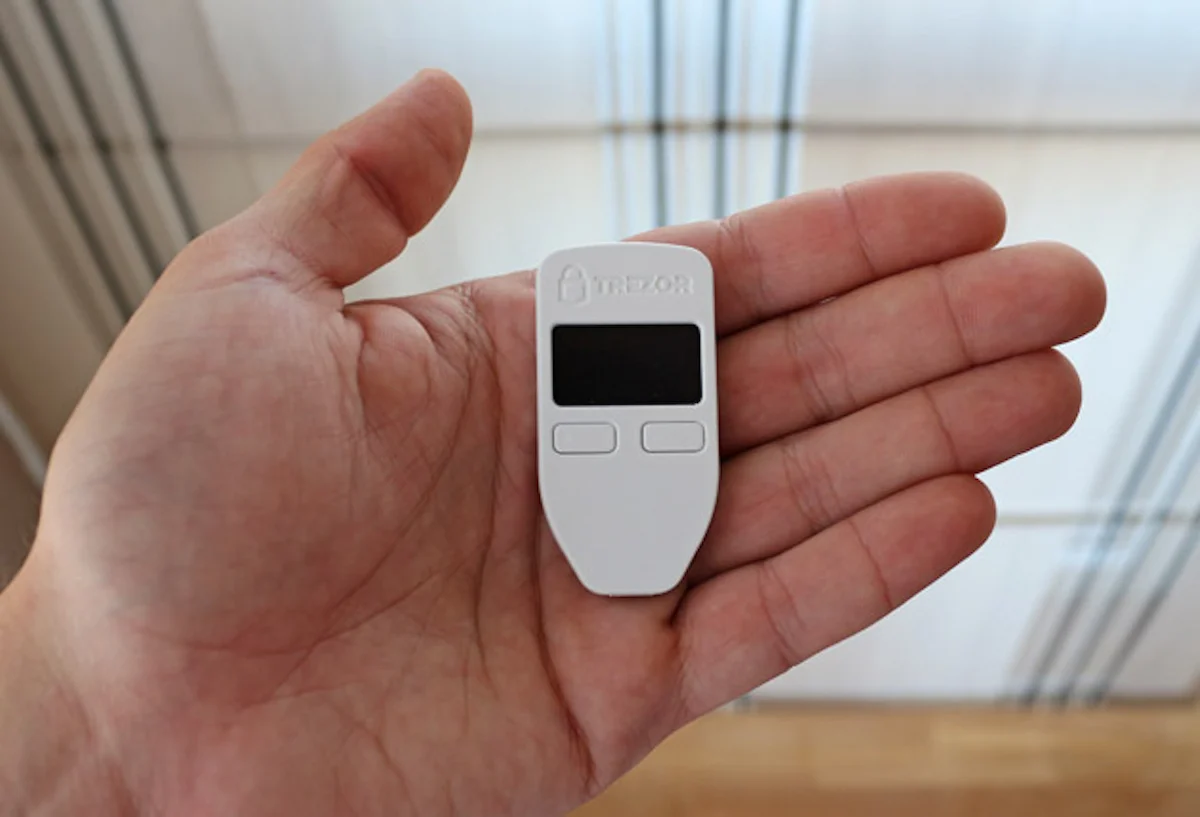
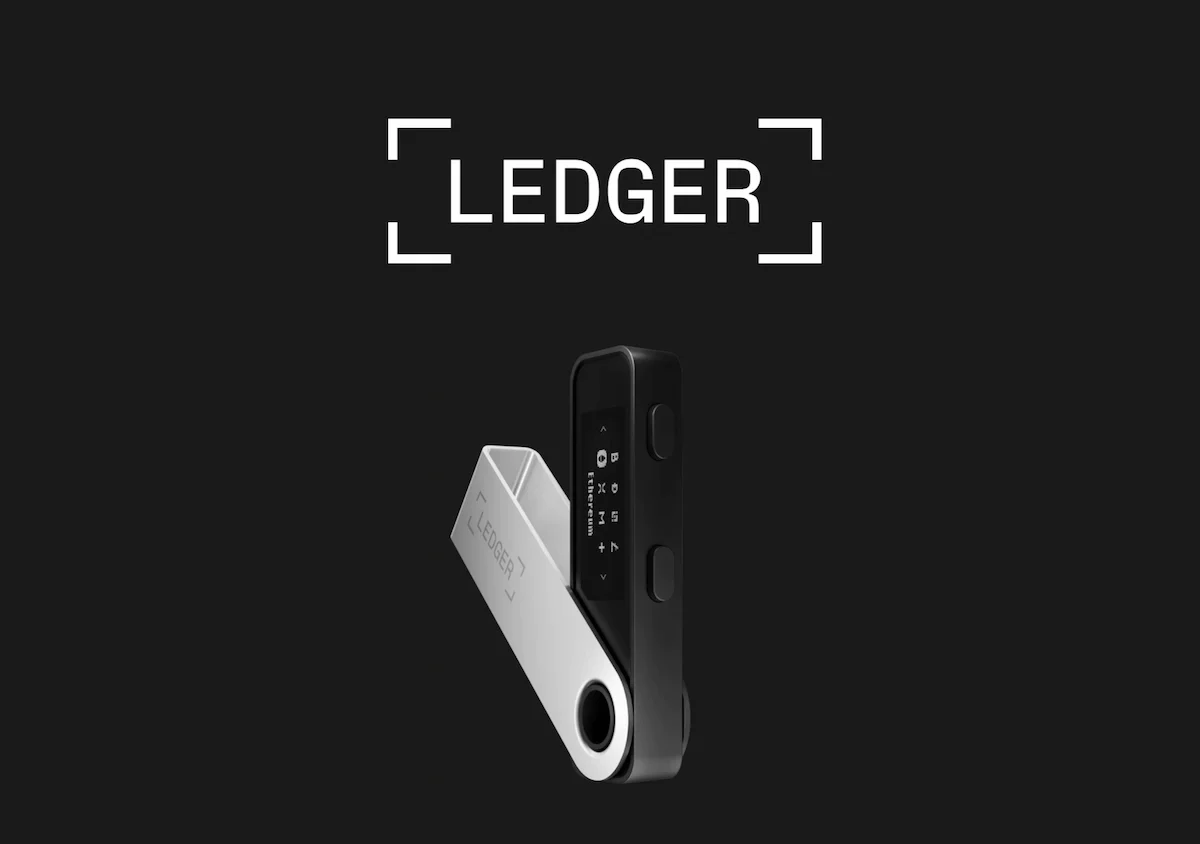
Hardware wallets are the most common form of cold storage used by NFT collectors. These small physical devices store private keys securely and require physical confirmation before signing transactions. Even if a computer becomes infected with malware, the attacker cannot easily access the private keys stored on the hardware device.
When NFTs are stored in a wallet secured by a hardware device, transactions must be manually approved using the device itself. This adds a layer of protection against unauthorized transfers.
Cold storage is widely considered the safest way to protect high-value NFTs or long-term collections. Collectors who hold valuable digital art or rare gaming assets often move them to a cold wallet after purchase.
Another advantage of cold storage is protection against browser vulnerabilities or malicious extensions. Since private keys never leave the hardware device, attackers cannot easily extract them from the computer environment.
However, cold storage requires careful management. Losing the hardware wallet or failing to back up the seed phrase can result in permanent loss of access. This is why users must store seed phrases securely in offline locations, such as written backups stored in safe environments.
Cold wallets are best used as vaults rather than daily spending accounts. Users can transfer NFTs from a hot wallet to a cold wallet once they no longer need to interact with them regularly.
This layered approach creates a strong balance between convenience and security.
Best Practices for Securing NFT Wallets
Good security habits often make the biggest difference in protecting NFTs. Even the most advanced wallet technology cannot protect users who unknowingly approve malicious transactions or reveal sensitive information.
One of the most important practices is keeping seed phrases completely offline. Seed phrases should never be stored in cloud storage, screenshots, or email accounts. Digital storage increases the risk of hacking or accidental exposure.
Instead, many security experts recommend writing the seed phrase on paper and storing it in a safe location. Some collectors use metal backup plates that resist fire and water damage.
Another essential practice is using separate wallets for different purposes. A typical security setup might include one wallet for trading, another for interacting with new projects, and a cold wallet for storing valuable NFTs.
Using strong passwords and enabling two-factor authentication on connected accounts can also reduce risks. While blockchain wallets themselves rely on private keys rather than passwords, accounts associated with marketplaces or email addresses can still become entry points for attackers.
Regularly reviewing wallet permissions is another important step. Many blockchain explorers and security tools allow users to check which smart contracts have approval to move assets. Revoking unnecessary permissions helps reduce potential attack surfaces.
Finally, keeping software updated is critical. Wallet applications, browsers, and operating systems frequently release security patches that protect against new vulnerabilities. Ignoring these updates can leave users exposed to known threats.
Phishing Risks in the NFT Ecosystem
Phishing remains one of the most common ways NFTs are stolen. Instead of attacking the blockchain itself, scammers trick users into revealing sensitive information or signing harmful transactions.
Phishing attacks often appear in the form of fake marketplace links, fraudulent mint announcements, or impersonated social media accounts. A user might receive a message claiming that a popular NFT project has launched a new mint or that they must verify their wallet to claim a reward.
When users click the link, they are directed to a website designed to look identical to a legitimate platform. Once the wallet is connected, the site prompts them to sign a transaction. Instead of minting a new NFT, the transaction grants permission for the attacker to transfer assets from the wallet.
Another common tactic involves fake customer support representatives. Scammers contact users through social media or messaging platforms and claim they can resolve a wallet issue. They then ask for the seed phrase or request that the user sign a verification transaction.
Legitimate platforms will never ask for a seed phrase or private key. Any request for this information should be treated as a clear sign of fraud.
Recognizing phishing attempts requires patience and careful verification. Checking website URLs, avoiding rushed transactions, and verifying announcements through official channels can prevent many attacks.
Advanced Security Strategies for NFT Holders
As the NFT ecosystem matures, collectors and investors are adopting more advanced security strategies to protect their assets. While basic wallet practices provide a strong foundation, larger collections often require additional layers of protection.
One widely used strategy is maintaining multiple wallet tiers. In this setup, each wallet has a specific role. A hot wallet handles everyday interactions such as minting new NFTs, exploring projects, and connecting to decentralized applications. A secondary wallet may hold mid-value assets that are traded occasionally. The most valuable NFTs are stored in a cold wallet that rarely interacts with external platforms.
This separation limits the potential damage from any single compromised wallet. If a hot wallet is exposed to a malicious contract or phishing attempt, the assets stored in cold storage remain unaffected.
Another growing practice is the use of hardware wallet integration with browser wallets. Many collectors connect hardware wallets to browser interfaces so they can still interact with marketplaces while keeping private keys protected inside the device. In this arrangement, every transaction requires confirmation on the hardware wallet itself. This makes it significantly harder for attackers to execute unauthorized transfers.
Some advanced users also create a vault wallet that never directly interacts with external platforms. Instead, NFTs are transferred temporarily to a separate wallet when they need to be listed or traded. Once the activity is complete, the asset returns to the vault wallet. While this approach requires extra steps, it reduces exposure to malicious smart contracts and suspicious websites.
For collectors who hold extremely valuable digital assets, these layered strategies function much like the security system of a bank vault. The more valuable the asset, the more careful the storage strategy should become.
Managing Smart Contract Permissions Safely
A less obvious security risk involves the permissions users grant to smart contracts. When interacting with NFT marketplaces, users often approve contracts that allow the platform to move assets during sales or trades.
These permissions are necessary for marketplaces to function efficiently, but they can also become vulnerabilities if left unchecked. If a malicious contract gains approval or if a legitimate platform is later compromised, the contract could potentially transfer NFTs without further confirmation.
Fortunately, users can review and revoke these permissions through blockchain management tools and wallet interfaces. Many experienced collectors make it a habit to periodically audit their wallet approvals and remove any that are no longer required.
Revoking unnecessary permissions reduces the number of external contracts that can interact with a wallet. This simple practice can significantly lower the chances of unauthorized asset transfers.
Another helpful habit is to avoid blindly approving transactions. Before confirming a transaction, users should carefully read the wallet prompt and ensure it matches the intended action. If a mint transaction requests broad asset permissions, that should raise suspicion.
Being patient during this process may feel inconvenient, but a few extra seconds of verification can prevent the loss of valuable NFTs.
Protecting Devices and Browsers
Wallet security does not depend only on the wallet itself. The devices used to access blockchain platforms also play an important role.
Computers and smartphones that interact with NFT wallets should be kept secure and regularly updated. Malware, browser exploits, and malicious extensions can potentially intercept wallet activity or redirect users to fake websites.
Using a dedicated browser profile for crypto activity is a useful precaution. This profile should contain only the wallet extension and essential tools required for NFT interaction. Avoid installing unnecessary extensions that could introduce vulnerabilities.
Public computers and shared devices should never be used to access NFT wallets. Even logging into a wallet briefly on an unsecured system can expose sensitive information.
Another useful precaution is bookmarking trusted websites such as NFT marketplaces and wallet dashboards. Instead of clicking links from social media or email messages, users can access platforms directly through saved bookmarks. This reduces the risk of visiting phishing websites that mimic legitimate services.
For users who hold high-value collections, maintaining a separate device dedicated solely to crypto activity can add another layer of protection. This approach limits exposure to everyday browsing risks and reduces the likelihood of accidental downloads or malicious software.
Recognizing Social Engineering Tactics
Many NFT thefts occur through social engineering, where attackers manipulate people rather than exploiting technical vulnerabilities.
Scammers often impersonate well-known NFT projects, community moderators, or marketplace support teams. They may contact users through direct messages, email, or community channels and claim that urgent action is required.
A common tactic involves announcing limited-time mint opportunities or exclusive rewards. The message creates a sense of urgency, encouraging users to connect their wallet quickly before verifying the authenticity of the announcement.
Another tactic involves fake giveaways or airdrops. Users are asked to connect their wallet to claim a reward, but the transaction they sign actually grants permission for the attacker to transfer assets.
Because NFTs often carry emotional and financial value, attackers rely on excitement and urgency to bypass careful decision-making.
The safest approach is to treat unsolicited messages with caution. Official announcements should always be verified through the project’s official website or verified social media accounts.
Legitimate teams rarely initiate private messages asking users to connect their wallets or share personal information. When in doubt, ignoring the message is usually the safest decision.
Monitoring Wallet Activity and Staying Informed
Another effective security habit is regularly monitoring wallet activity. Blockchain explorers allow users to review transactions, track approvals, and verify asset movements.
By checking wallet activity periodically, users can quickly detect unusual transactions or unauthorized permissions. Early detection can sometimes allow users to revoke permissions before additional damage occurs.
Security awareness is also important because the NFT ecosystem evolves rapidly. New marketplaces, minting platforms, and blockchain tools appear frequently. While innovation drives the growth of the industry, it also creates opportunities for scammers to exploit inexperienced users.
Staying informed through reputable sources, community discussions, and official project announcements can help users recognize emerging threats.
Many NFT communities share security alerts when new scams appear. Paying attention to these warnings can help collectors avoid common traps that others have already encountered.
Conclusion
NFT ownership represents a new form of digital property, but the responsibility of protecting that property falls largely on the owner. Unlike traditional financial systems, blockchain networks operate without centralized control. This gives users complete control over their assets, but it also means that security mistakes can be difficult to reverse.
Securing NFTs in a wallet requires a combination of technology, awareness, and careful habits. Understanding how wallets work, protecting seed phrases, and separating hot wallets from cold storage can provide a strong foundation for asset protection.
Cold storage offers the highest level of security for valuable NFTs, while hot wallets remain useful for daily interaction with marketplaces and applications. By maintaining multiple wallet tiers and reviewing smart contract permissions regularly, users can reduce exposure to common vulnerabilities.
Phishing attacks and social engineering remain the most common threats in the NFT ecosystem. Recognizing suspicious links, avoiding unsolicited messages, and verifying official announcements can prevent many security incidents.
As NFTs continue to expand across digital art, gaming, entertainment, and decentralized communities, secure wallet practices will become even more important. The collectors who succeed in the long term are often the ones who treat security as a core part of their strategy.
Protecting NFTs does not require advanced technical knowledge, but it does require patience and discipline. By adopting careful storage practices and staying alert to evolving threats, users can safeguard their digital assets and participate in the NFT ecosystem with confidence.
Read also: How to Secure Crypto Wallets and Protect Your Funds