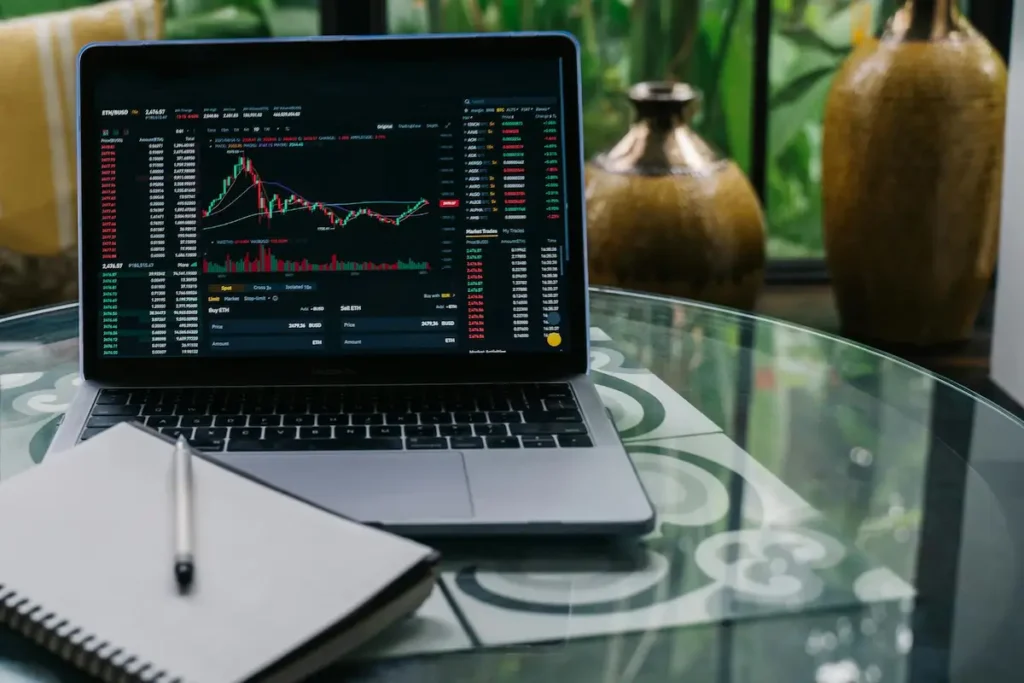
Cryptocurrency markets never sleep. Bitcoin trades at midnight. Ethereum moves on Sunday mornings. Altcoins swing while you are in a meeting. For many traders, that 24/7 cycle is both an opportunity and a problem. You cannot monitor charts all day, and emotions often interfere with good decision-making. This is where crypto trading automation comes in.
Automated crypto trading allows you to execute strategies using predefined rules instead of manual clicks. You set the logic. The system executes it. When done correctly, automation can improve consistency, reduce emotional bias, and help manage trades across multiple exchanges at once. When done poorly, it can magnify losses just as quickly.
This guide explains how to safely automate crypto trading, with a clear focus on security, strategy, and platform selection. Whether you are a beginner exploring trading bots or an experienced trader refining a systematic approach, the goal is the same: automate intelligently and protect your capital.
What Is Crypto Trading Automation
Crypto trading automation uses software to place and manage trades based on predefined conditions. Instead of manually buying or selling when you see a chart pattern, a bot or algorithm does it for you.
Common forms of automation include:
- Trading bots that execute technical strategies such as moving average crossovers
- Grid trading systems that place multiple buy and sell orders within a price range
- Arbitrage bots that attempt to profit from price differences across exchanges
- Portfolio rebalancing tools that maintain a fixed asset allocation
- Custom algorithmic strategies built using APIs
Automation does not mean guaranteed profits. It means systematic execution. The edge, if any, comes from your strategy and risk management, not from the fact that a bot is running.
Why Safety Matters in Automated Crypto Trading
Crypto trading automation combines two high-risk elements: volatile markets and connected software. You are not only exposing your capital to price risk but also to operational and cybersecurity risk.
Some of the most common dangers include:
- API key leaks leading to unauthorized trades
- Overfitted strategies that fail in live markets
- Poorly coded bots that malfunction during volatility
- Exchange outages during high-volume events
- Excessive leverage is used without proper safeguards
In traditional finance, institutions spend heavily on infrastructure and risk controls. Retail traders often skip that step. Safe automation starts with the assumption that things can go wrong. Your system should be designed to survive those moments.
Building a Safe Foundation: Security First
Before choosing a strategy or a bot, security should be your priority. If your exchange account is compromised, no strategy can save you.
1. Use Reputable Exchanges
Choose exchanges with strong security practices, transparent proof of reserves where applicable, and a history of responsible operations. Look for:
- Two-factor authentication support
- Withdrawal whitelisting
- Cold storage practices for funds
- Clear API documentation and permission controls
Avoid obscure platforms that promise unusually high returns or unrealistic incentives.
2. Understand API Permissions
Most trading bots connect to exchanges through API keys. These keys allow software to read balances and place trades.
When generating API keys:
- Disable withdrawal permissions
- Enable only trading and read access
- Restrict IP access if the exchange supports it
- Store keys securely using encrypted password managers
Never share API keys publicly. A leaked key with trading permission can still cause major losses through malicious trades.
3. Separate Trading Capital
Keep only the amount you need for trading on the exchange. Store long-term holdings in hardware wallets or secure custody solutions. Automation should operate on defined capital, not your entire crypto portfolio.
4. Use Strong Account Hygiene
Basic security still matters:
- Unique passwords for each exchange
- Hardware-based two-factor authentication, where possible
- Email accounts secured with multi-factor authentication
- Regular review of login history and API activity
Automation increases the number of connected components in your setup. Each connection should be treated as a potential vulnerability.
Designing a Robust Automated Trading Strategy
Automation does not fix a weak strategy. In fact, it exposes it faster. A bot will execute your rules exactly as written. If those rules are flawed, losses will accumulate consistently.
1. Define Clear Entry and Exit Rules
A safe automated crypto trading strategy starts with clarity. You must define:
- Exact conditions for entering a trade
- Exact conditions for exiting a trade
- Position sizing logic
- Stop loss and take profit rules
Avoid vague rules like “buy when the trend looks strong.” Automation requires quantifiable conditions such as “buy when the 50-period moving average crosses above the 200-period moving average on the four-hour chart.”
2. Focus on Risk Management First
Professional traders often think in terms of risk before return. Consider:
- Maximum percentage risked per trade
- Maximum daily loss limit
- Maximum open positions at one time
- Exposure to correlated assets
For example, risking 1 to 2 percent of capital per trade is common in systematic trading. This prevents a small series of losses from wiping out your account.
3. Backtest With Caution
Backtesting involves running your strategy on historical data to see how it would have performed. While useful, backtests can be misleading.
Key principles:
- Use realistic trading fees
- Include slippage assumptions
- Test across different market conditions
- Avoid overfitting parameters to past data
If your strategy only works with very specific settings and fails when slightly adjusted, it may be curve-fitted. In live markets, such systems often break down.
4. Forward Test Before Scaling
After backtesting, use paper trading or small capital to forward test your strategy in real market conditions. Live markets introduce factors such as latency, order book depth, and unexpected volatility.
Only increase capital allocation once you have validated real-world performance over time.
Choosing the Right Automation Platform
The crypto ecosystem offers many automation tools. Your choice should depend on your experience level, strategy complexity, and security requirements.
Broadly, options include:
- Exchange native bots
- Third-party trading bot platforms
- Custom-coded solutions using exchange APIs
Each has tradeoffs in flexibility, ease of use, and control.
Exchange native bots are often simpler to set up and tightly integrated with the platform. However, they may offer limited customization.
Third-party platforms provide prebuilt strategies, visual interfaces, and multi-exchange support. These can be useful for beginners but require trust in an external provider.
Custom-coded solutions offer maximum flexibility and transparency. They are ideal for experienced traders or developers who want full control, but they require technical expertise.
When evaluating a platform, consider:
- Security track record
- Transparency of fee structure
- Community reviews and documentation
- API reliability and rate limits
- Customer support responsiveness
Avoid platforms that guarantee profits. In crypto trading, guarantees are a red flag.
Beyond security and strategy design, safe crypto trading automation requires ongoing oversight, realistic expectations, and structural discipline. Automation is not a set it and forget it machine. Markets evolve. Liquidity shifts. Volatility regimes change. A strategy that performs well in a trending market may struggle in a sideways one. Long-term success depends on how you manage and adapt your automated system.
Advanced Risk Controls for Automated Crypto Trading
If your system can place trades automatically, it can also accumulate losses automatically. Advanced safeguards help limit damage during abnormal conditions.
1. Global Risk Limits
In addition to per-trade stop losses, set global constraints such as:
- Maximum daily drawdown
- Maximum weekly loss
- Maximum number of consecutive losing trades
- Maximum portfolio exposure
Many trading platforms allow you to configure these controls. If not, you can implement them in your bot logic. For example, if the system loses 5 percent of total capital in a single day, it should stop trading and wait for manual review.
2. Circuit Breakers
Crypto markets can experience extreme volatility during news events, exchange incidents, or liquidation cascades. A circuit breaker pauses trading when volatility exceeds predefined thresholds.
You can define volatility using metrics such as:
- Average True Range expansion
- Sudden percentage price moves within a short timeframe
- Unusual spikes in volume
When triggered, the bot should either reduce position size or halt trading temporarily.
3. Slippage and Liquidity Awareness
Backtests often assume perfect execution at the displayed price. In reality, large orders can move the market, especially in low liquidity altcoins.
To manage this:
- Trade assets with sufficient volume
- Limit order size relative to average daily volume
- Monitor order book depth before scaling capital
- Avoid trading illiquid pairs with wide spreads
Automation magnifies execution effects. A small slippage assumption can become a high cost over hundreds of trades.
4. Avoid Excessive Leverage
Leverage is tempting in crypto due to its volatility. However, automated leveraged trading can be particularly dangerous. A sudden price spike can liquidate positions before your stop loss is triggered.
If you use leverage:
- Keep it conservative
- Use strict liquidation awareness
- Monitor margin ratios
- Avoid running multiple correlated leveraged positions
For most retail traders, unleveraged or low-leverage strategies are more sustainable.
Common Mistakes in Crypto Trading Automation
Many traders lose money not because automation is flawed, but because expectations are unrealistic.
1. Believing in Guaranteed Returns
If a platform or influencer promises consistent monthly profits with minimal risk, treat it with caution. Crypto markets are inherently volatile. Even strong strategies experience drawdowns.
Evaluate any system based on risk-adjusted returns, not just raw percentage gains.
2. Overcomplicating Strategies
Adding more indicators does not automatically improve performance. Complex strategies with many parameters are more likely to be overfit.
Often, simple strategies with strong risk management outperform highly complex systems in the long run.
3. Ignoring Fees
Trading fees, funding rates in perpetual futures, and withdrawal fees can significantly impact returns. High-frequency strategies are especially sensitive to costs.
Before deploying a bot, calculate the expected fee impact over time. A strategy that generates small profits per trade may become unprofitable after fees.
4. Neglecting Monitoring
Automation reduces manual intervention but does not eliminate the need for oversight. Regularly review:
- Trade logs
- Error messages
- API connection status
- Exchange announcements
Exchange maintenance, API changes, or regulatory shifts can affect your system without warning.
Regulatory and Compliance Considerations
Crypto regulations vary by jurisdiction and continue to evolve. While many exchanges allow automated trading through APIs, you remain responsible for compliance.
Key considerations include:
- Tax reporting for frequent trades
- Restrictions on derivatives trading in certain countries
- KYC and AML requirements
- Reporting obligations for large transactions
Automated trading can generate hundreds or thousands of transactions. Use reliable portfolio tracking or accounting tools to maintain accurate records. Consult a qualified tax professional to understand local obligations.
Ignoring compliance can lead to penalties that outweigh trading profits.
Evaluating Third-Party Trading Bots and Services
If you choose a third-party crypto trading bot platform, due diligence is critical.
Ask the following questions:
- How are API keys stored and encrypted
- Does the platform have a documented security policy?
- Is there transparency about the team and company registration
- Are performance metrics audited or independently verified
- What happens if the platform goes offline
Avoid sending funds directly to unknown managed accounts promising fixed returns. In many cases, these models resemble high risk or fraudulent schemes.
Prefer platforms that allow you to retain custody of funds on your exchange account while granting limited API access.
Building a Long-Term Automated Trading Framework
Safe crypto trading automation is not about chasing the next hot strategy. It is about building a structured framework.
1. Define Clear Objectives
Are you seeking:
- Short-term active income
- Long-term portfolio growth
- Market neutral exposure
- Passive rebalancing
Your objective determines your strategy selection and risk tolerance.
2. Diversify Strategies
Just as investors diversify assets, traders can diversify strategies. For example:
- One trend following strategy on major coins
- One mean reversion strategy on range-bound assets
- One low-frequency rebalancing system
Diversification reduces reliance on a single market condition.
3. Review and Iterate
Schedule periodic reviews, such as monthly or quarterly, to assess:
- Performance versus expectations
- Drawdown behavior
- Market regime changes
- Required parameter adjustments
Avoid constant tweaking based on short-term noise. Changes should be data-driven and deliberate.
4. Maintain a Trading Journal
Even in automated trading, documentation matters. Record:
- Strategy logic
- Parameter changes
- Risk rules
- Reasons for adjustments
This creates accountability and helps you avoid impulsive decisions during drawdowns.
Final Thoughts on Safely Automating Crypto Trading
Crypto trading automation can be a powerful tool when used responsibly. It removes emotional bias, enforces discipline, and allows you to operate in a 24-hour market without constant screen time. However, automation does not eliminate risk. It amplifies whatever logic you encode into it.
To automate crypto trading safely:
- Prioritize security at every layer
- Design clear, testable strategies
- Implement strict risk management rules
- Choose platforms carefully and verify their credibility
- Monitor, review, and adapt over time
There is no shortcut to consistent results in crypto markets. A bot is not a magic money machine. It is a disciplined executor of your plan. If your plan is thoughtful, risk-aware, and continuously refined, automation can become a valuable ally in your trading journey.
In a market that never sleeps, the goal is not to trade more. It is to trade smarter, protect capital, and build systems that can survive both bull runs and brutal corrections. When safety, strategy, and structure come first, automation becomes an advantage rather than a liability.
Read also: Platform Update: Enhanced Market Data Tools