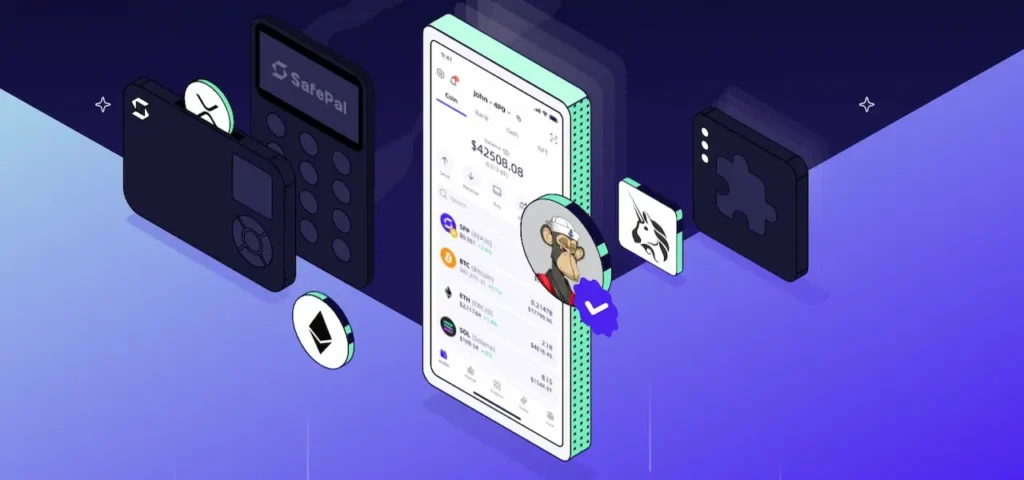
Decentralized finance has changed how people interact with crypto. From staking and yield farming to token swaps and NFT trading, DeFi offers control without banks. But with that freedom comes risk. Hacks, phishing attacks, smart contract exploits, and wallet compromises are now common headlines. That is why many users are asking a simple question: Is SafePal good for DeFi and hardware use?
SafePal is known for offering both software and hardware wallets under one ecosystem. This hot and cold wallet combination is positioned as a secure yet flexible solution for crypto users who want the convenience of DeFi and the protection of offline storage. In this article, we take a closer look at SafePal’s security model, DeFi compatibility, hardware integration, and overall reliability to determine whether it is a smart choice in 2026.
Understanding SafePal’s Ecosystem
SafePal was founded in 2018 and was later backed by Binance. The brand offers two main products: the SafePal software wallet, which is a mobile app, and the SafePal hardware wallet, including models such as the S1 and the newer S1 Pro.
The software wallet supports a wide range of blockchains, including Ethereum, BNB Smart Chain, Polygon, Arbitrum, and many others. It allows users to access decentralized exchanges, staking platforms, NFT marketplaces, and cross-chain bridges directly within the app. This makes it suitable for active DeFi participants.
The hardware wallet, on the other hand, is designed for offline storage. It is air gapped, meaning it does not use WiFi, Bluetooth, NFC, or USB data transfer for transactions. Instead, it relies on QR codes to sign transactions offline. This reduces the attack surface significantly compared to hardware wallets that rely on wired or wireless connectivity.
The key appeal of SafePal is the integration between the hot wallet and hardware wallet. Users can manage assets within the app while signing sensitive transactions through the hardware device. This hot and cold wallet combo aims to provide flexibility without compromising security.
Is SafePal Good for DeFi?
DeFi users need three things from a wallet: broad network support, dApp connectivity, and secure transaction signing. SafePal performs reasonably well in these areas.
The SafePal app includes a built-in dApp browser. This allows users to connect directly to platforms such as Uniswap, PancakeSwap, Aave, Compound, Curve, and many other DeFi protocols without switching wallets. WalletConnect support also enables connection to external decentralized applications.
Multi-chain support is another advantage. DeFi activity is no longer limited to Ethereum. Many users interact with Layer 2 networks and alternative chains to reduce fees. SafePal supports a large number of networks and tokens, including ERC20, BEP20, and other major standards. This makes it practical for users who spread their activity across ecosystems.
One important factor is private key control. SafePal is a non-custodial wallet. This means users hold their own private keys and recovery phrase. The company does not have access to funds. For DeFi users who value self-custody, this is essential.
However, software wallets always carry more risk than cold storage. If a phone is compromised by malware or phishing, the software wallet could be exposed. This is where SafePal’s hardware wallet becomes relevant.
SafePal Hardware Wallet Security
The SafePal S1 hardware wallet is often highlighted for its air-gapped architecture. Unlike some competitors that connect via USB or Bluetooth, SafePal uses QR codes for transaction signing. The device scans a QR code generated by the app, signs the transaction offline, and then displays a new QR code that the app scans to broadcast the transaction.
This process keeps the private keys isolated from internet-connected devices. The hardware wallet also includes a secure element chip designed to resist physical attacks. The device self-destructs sensitive data if tampering is detected.
Another security feature is the absence of direct data ports for transaction transfer. While it uses a USB port for charging, it does not allow data communication through it. This design decision reduces the risk of remote attacks through cable-based exploits.
For users who engage in DeFi but hold significant long-term investments, this hardware layer provides added protection. You can explore DeFi opportunities through the app while keeping your signing authority offline.
Comparing SafePal to Other Hardware Wallets
To evaluate whether SafePal is good for hardware use, it helps to compare it to established competitors like Ledger and Trezor.
Ledger devices such as the Nano X use Bluetooth or USB connectivity and have secure element chips. Trezor devices use open source firmware but do not include a secure element chip in most models. SafePal positions itself differently by emphasizing its fully air-gapped design.
In terms of price, SafePal hardware wallets are generally more affordable than many Ledger or Trezor models. This lower entry cost can appeal to newer crypto users who want cold storage without paying a premium.
However, SafePal does not have the same long track record as Ledger or Trezor. Those brands have been in the hardware wallet space for over a decade. While SafePal has built credibility, especially with Binance backing, long-term durability and ecosystem maturity are still important considerations.
From a usability standpoint, SafePal’s QR code signing process can feel slightly slower than USB-connected wallets. For users who perform many transactions daily, this extra step may feel less convenient. But for those who prioritize security over speed, the tradeoff can be worth it.
Security Considerations for DeFi Users
DeFi introduces risks beyond wallet security. Smart contract bugs, rug pulls, and phishing sites can still lead to losses even if your hardware wallet is secure. No wallet can protect you from signing a malicious transaction if you approve it willingly.
SafePal provides features such as transaction preview and address verification to help users avoid mistakes. But education and caution remain essential.
For maximum protection, many experienced users follow a layered approach. They use the software wallet for small operational funds and connect the hardware wallet only when approving larger transactions or moving long-term holdings.
This hybrid setup is where SafePal’s integrated ecosystem shines. You do not need separate brands for hot and cold storage. Everything operates within the same app environment, reducing friction and complexity.
User Experience and Interface
Security is critical, but usability determines whether people actually use a wallet properly. SafePal’s mobile app is designed to be beginner-friendly while still offering advanced features for experienced users.
The dashboard provides a clear overview of assets across multiple blockchains. Token management is straightforward. Users can add custom tokens, switch networks easily, and track portfolio performance. The built-in swap function allows quick token exchanges without leaving the app.
For DeFi users, the dApp browser simplifies access. Instead of configuring browser extensions or connecting through multiple third-party interfaces, users can interact with decentralized applications directly inside the SafePal app. WalletConnect integration also ensures compatibility with most major DeFi platforms.
When paired with the hardware wallet, the process remains intuitive. The QR code signing mechanism might sound complex, but in practice, it becomes routine after a few transactions. The steps are clear: generate the transaction in the app, scan with the hardware wallet, confirm on the device, and scan back to broadcast.
The hardware wallet itself has a compact design with a small screen and a camera for scanning QR codes. Navigation is done using physical buttons. While the screen is smaller than some premium competitors, it is functional and readable for transaction confirmation.
For users who are new to hardware wallets, the learning curve is manageable. SafePal provides setup guidance within the app, including seed phrase backup instructions and security reminders.
Asset and Network Support
One of the strongest points in evaluating whether SafePal is good for DeFi and hardware use is its asset coverage.
SafePal supports a wide range of major blockchains, including Bitcoin, Ethereum, BNB Smart Chain, Polygon, Arbitrum, Optimism, Tron, and several others. It also supports thousands of tokens across these networks.
For DeFi users who operate across Layer 1 and Layer 2 ecosystems, this multi-chain compatibility is important. It reduces the need to maintain multiple wallets for different chains.
NFT support is also integrated within the app for supported networks. Users can view and manage NFTs directly in their wallet interface. For those active in NFT-based DeFi or digital collectibles, this adds convenience.
On the hardware side, supported assets depend on firmware updates and compatibility lists. SafePal regularly releases updates to expand asset support. Users must ensure their device firmware is current to access newer tokens and chains.
While coverage is broad, extremely niche or newly launched networks may not be immediately supported. For highly experimental DeFi users who constantly chase new chains, this could be a limitation.
Strengths of the SafePal Hot and Hardware Combo
SafePal’s biggest differentiator is the integration between its software and hardware wallets.
First, the ecosystem approach reduces friction. Instead of managing separate wallets from different brands, users operate within one coordinated system. This improves workflow for both beginners and advanced users.
Second, the air-gapped architecture of the hardware wallet reduces exposure to online threats. QR-based signing eliminates reliance on cables or wireless connectivity for transaction data transfer.
Third, the pricing makes hardware security more accessible. Many users hesitate to invest in cold storage due to cost. SafePal lowers that barrier without removing essential security components like a secure element chip.
Fourth, the wallet remains non-custodial. Users maintain full control of their private keys and recovery phrases. This aligns with the core philosophy of decentralized finance.
Finally, the integration with major DeFi platforms through the dApp browser and WalletConnect ensures that users can participate in yield farming, staking, lending, and token swaps without unnecessary complications.
Limitations and Risks to Consider
No wallet is perfect. A balanced review must acknowledge limitations.
While SafePal emphasizes security, the software wallet still operates on a mobile device. If a phone is infected with malware or if a user falls for phishing scams, funds could be at risk, especially if hardware signing is not consistently used.
The hardware wallet’s QR-based process, while secure, may feel slower for high-frequency traders. Users who execute dozens of transactions daily might prefer faster connectivity options.
Brand longevity is another factor. While SafePal has gained credibility and industry backing, it does not have the same historical track record as older hardware wallet brands. Some conservative investors prefer companies with a decade or more of proven resilience.
Customer support experiences can vary, as with most crypto companies. Since crypto transactions are irreversible, users must rely heavily on self-education and proper backup procedures.
Lastly, no hardware wallet can protect users from poor decision-making. If a user signs a malicious smart contract interaction, even through a secure hardware wallet, the transaction will execute. Awareness and due diligence remain essential in DeFi.
Is SafePal Safe Enough for Long-Term Storage?
For long-term holders, also known as long-term crypto investors, hardware security is critical.
SafePal’s air gapped design, secure element chip, self-destruct mechanism for tampering, and offline signing model make it a strong candidate for cold storage. As long as users properly back up their recovery phrase and store it securely offline, the hardware wallet provides a solid security foundation.
It is suitable for storing Bitcoin, Ethereum, stablecoins, and other major assets intended for long-term holding. When combined with disciplined security practices such as avoiding suspicious links and verifying transaction details carefully, it can serve as a reliable cold storage solution.
For users who actively participate in DeFi, a practical approach is to maintain two layers. Keep large holdings secured through the hardware wallet and use smaller balances within the software wallet for regular DeFi operations. This reduces overall exposure while maintaining flexibility.
Who Should Consider SafePal?
SafePal is well-suited for:
- DeFi users who want integrated hardware protection
- Beginners seeking an affordable hardware wallet
- Multi-chain users who interact across Ethereum, BNB Smart Chain, and Layer 2 networks
- Investors who prefer QR code-based air-gapped signing.
It may be less ideal for:
- High-frequency traders who prioritize speed over layered security
- Users who want desktop-based wallet management as their primary interface
- Those who prefer brands with longer hardware wallet histories
Final Verdict: Is SafePal Good for DeFi and Hardware Use?
So, is SafePal good for DeFi and hardware use?
For most users, the answer is yes, especially when used strategically. The combination of a feature-rich software wallet and an air-gapped hardware wallet creates a flexible yet secure ecosystem. It allows users to explore decentralized finance opportunities while keeping private keys isolated from internet-connected devices.
SafePal stands out for its affordability, strong multi-chain support, integrated dApp access, and QR code-based signing model. While it may not replace higher-end hardware wallets for ultra-conservative investors, it offers a balanced solution for everyday DeFi participants and long-term holders alike.
Crypto security is not about finding a perfect device. It is about reducing risk at every layer. SafePal provides meaningful risk reduction without making DeFi participation complicated.
If you are active in decentralized finance and want stronger control over your private keys without sacrificing usability, SafePal is a practical option worth considering. Just remember that even the best wallet cannot replace careful research, secure backups, and smart decision-making.
In DeFi, freedom and responsibility go hand in hand. SafePal gives you the tools. The rest depends on how wisely you use them.
Read also: How to Secure NFTs in a Wallet