
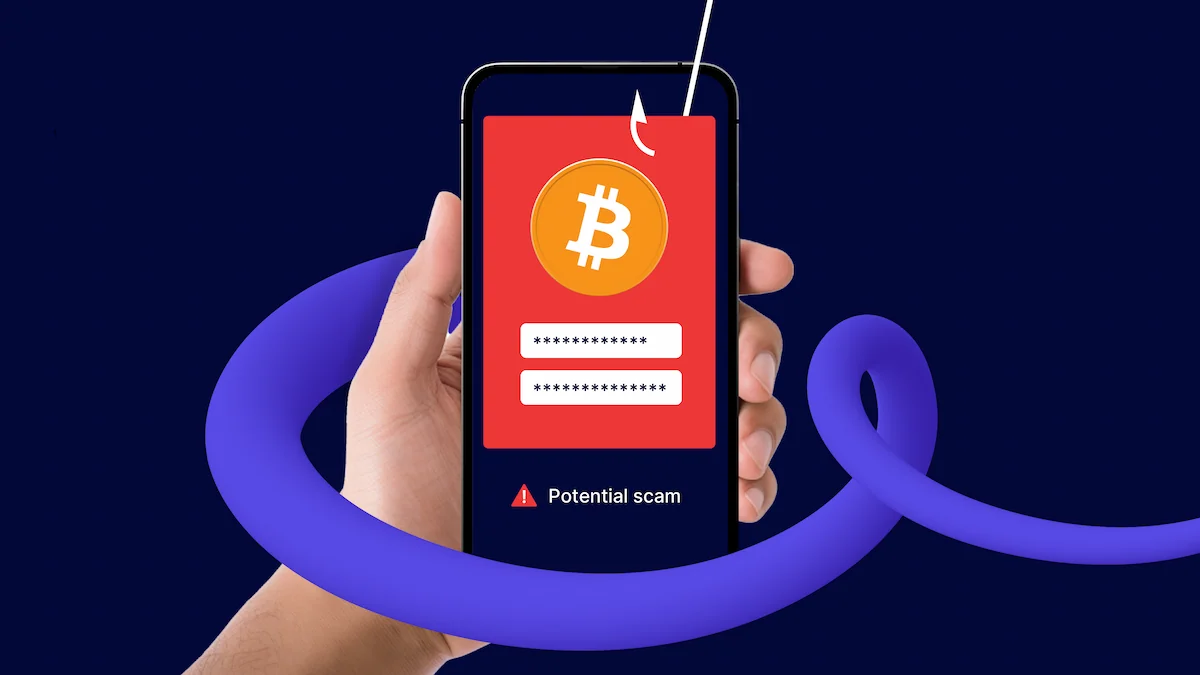
Crypto keeps rapidly expanding in 2026. Millions of new investors are entering the market on a monthly basis. The world now uses digital money for paying or trading or saving money. This growth is also attracting scammers. They invent new tricks each and every day to rob investors’ money. Many people lose their savings because they trust that some projects are not fake or send crypto to criminals. Once in crypto, once it moves out of a wallet, no one can reverse the transaction. That makes the scams very dangerous.
Every investor would need to secure their digital possessions. Awareness keeps money safe. Education helps to build confidence. Smart habits stop scammers. You can be on top of the benefits of crypto without fear when you get to know how these scams operate. You control your safety. You protect your wallet. You make smart choices.
This guide examines the best ways to avoid crypto scams in 2026. You will have to learn the golden rule of crypto security, the most common scams, warning signs, and the best protection strategies. Use this knowledge to stay safe.
Golden Rule of Crypto Safety
Rule #1: Never share private keys
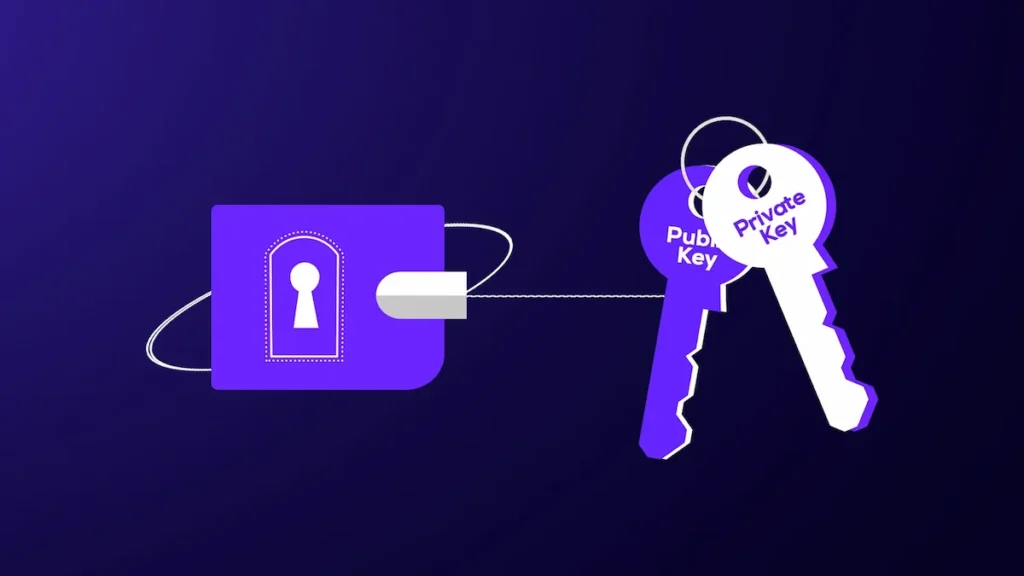
Don’t give your private keys to anyone under any circumstances. Apart from these, no exchange, wallet service, or support team ever asks for these. If a private key is requested, that person is a scammer.
Private keys are used to unlock your crypto wallet. You need them to either send or transfer digital assets. The private key is like the password to your bank account. Anyone who has access to your private key controls your money. If you lose it or share it, you give up your complete ownership of your assets forever.
Scammers always attempt to steal private keys. They masquerade as support agents, wallet companies, or government officers. They send emails, messages, or calls asking for private keys to “verify your wallet” or “fix an error.” They promise rewards, refunds, or technical support. The second you share your private key, your crypto is gone.
Example: Telegram group user gets a DM from a fake admin (“wallet issue—share key for fix”), hands it over, and loses everything instantly.
Top Crypto Scams to Avoid in 2026
1. Fake Airdrops
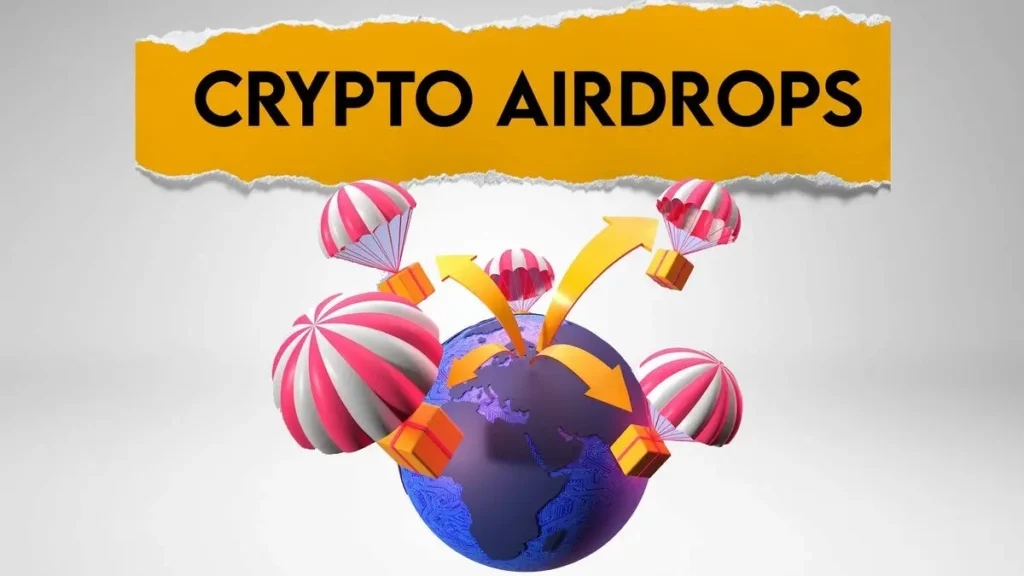
Everyone loves free tokens. Scammers use this idea and promise airdrops in social media, email, or crypto groups. They ask the users to connect wallets or pay petty fees for “receiving the reward.” When users use their wallet to access a fake site, this is when scammers steal or install malicious smart contracts.
Example: A website says, “Free airdrop for the first 10,000 users. Claim now!” The site asks the visitors to connect to MetaMask. The scammer then uses the access to the smart contract to drain all the tokens from the wallet.
Warning signs of airdrop scams:
- Airdrop which requires private key or seed phrase
- You are required to pay a fee to participate in claims for rewards
- Social media ones look new or suspicious
- The offer really sounds too good to be true
2. Phishing Sites
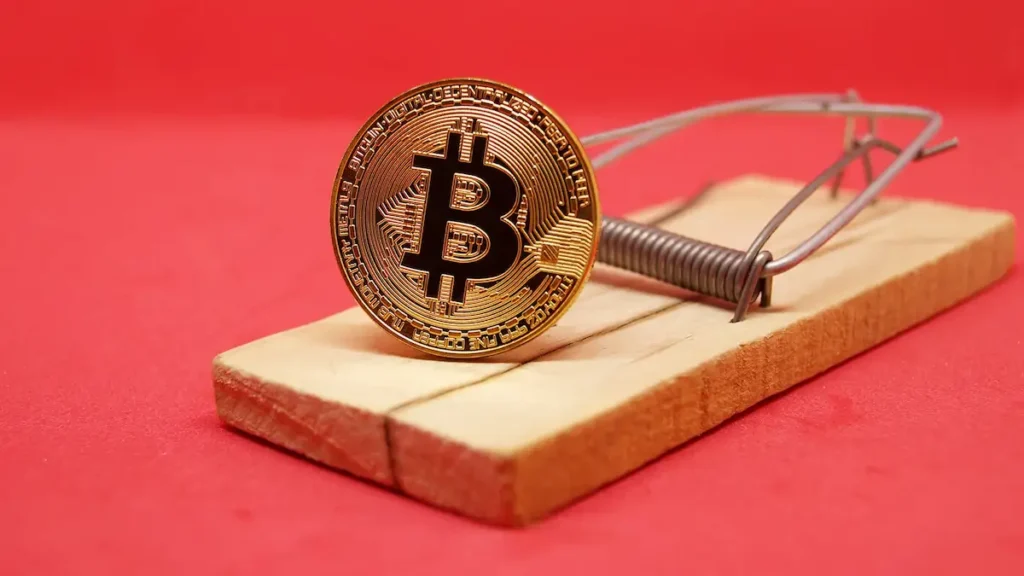
Phishing scams spoof real exchange platforms, wallet applications, or websites of crypto-serving applications. Scammers create fake login pages that look the same as official ones. When the users enter their email and password credentials, the scammers use the information to log in to real accounts and steal funds.
They also send a fake email like this:
- “Your withdrawal request is pending. Please log in to confirm.”
- “Need to verify your account for security purposes.”
- “Your wallet has been locked from unusual activity.”
Example: One person gets an email that appears to be from Binance, but it is not. The e-mail contains a fake login link. He enters his details. The scammer enters his actual Binance account and withdraws all crypto.
Warning signs of phishing websites:
- Spelling errors or odd grammar
- The website URL appears to look different from the real one
- The email warns you of closure of your account
- You receive your login links from unknown senders
3. Pump & Dump Groups

Pump and dump scams are directed at new investors who want to bring in fast profit. Groups on Telegram, Discord, and Reddit promise massive returns. They say a particular coin will “explode” in minutes. They make users believe them to buy something at a high price. After investment by users, the group leaders sell their holdings and the price crashes. Investors lose virtually all of their money.
Example: A group leader says, “Buy this token now! Price will jump 10x today!” Thousands rush to buy. So when the price is slightly higher, insiders sell. The price falls instantly. The new investors may lose the entire amount.
The warning signs of pump & dump scams:
- Guaranteed returns or profit promises
- Secret groups or VIP access
- Pressure to invest fast
- No actual project information or team identity
List of the Crypto Scam Types (with Real Losses)
| Rank | Scam Type | Est. Losses 2025 | Real Example (Nov 2025) | Source |
|---|---|---|---|---|
| 1 | Pig Butchering / Romance + Investment | $1.4 billion | “SHA-256 Capital” WhatsApp groups drained $180M | Chainalysis Nov 2025 Report |
| 2 | Fake Airdrops & Wallet Drainers | $820 million | Fake Blur Season 4 airdrop stole $42M in one week | The Block – Nov 18 |
| 3 | Phishing (fake Ledger, MetaMask) | $610 million | “Ledger Connect Kit” supply-chain attack | Cointelegraph – Nov 10 |
| 4 | Pump & Dump Telegram Groups | $380 million | “Quantum Sol” rug-pull wiped $68M in 4 hours | DL News – Nov 22 |
| 5 | Deepfake Celebrity Scams (YouTube/TikTok) | $210 million | Fake Elon Musk “Tesla Coin” live streams | BBC – Nov 14 |
Safety Checklist & Best Practices
Use this protection guide every single time you trade or store crypto. Safe habits help to protect your wallet from 99% of scams.
Use 2FA (Google Authenticator)
Security and Beneficial Steps Ensure 2-factor authentication is enabled on every exchange account. It provides an extra layer of security. Even if someone steals your password, they cannot log in without its 2FA code from your phone.
Verify URLs Carefully
Always verify the website addresses before logging in. Scammers use one piece of the website address by changing one character.
Store Crypto in Cold Storage
Use hardware wallets such as Ledger or Trezor for long-term storage. Keep more than $1000 in cold storage. Scammers do not have the ability to hack offline devices.
Avoid Public Wi-Fi
Public networks are used for hackers to monitor people’s activity and steal login details. Use a secure private network or use a VPN.
Research Projects Before Investing
Read white papers. Check team identity. Study market history. If information does not appear to be clear or it seems fake, stay away.
Double-Check Transactions
Transfers small amounts before sending large transfers. Confirm wallet addresses with caution. The scammers make use of address-changing malware.
Protect Your Seed Phrase
Write it on paper. Store it in a safe place. Never type it online or take photos.
Red Flags of Crypto Scams
Look for these danger signs. Real investments never require any tricks or pressure.
| 🚩 Red Flag | What It Looks Like | Real 2025 Example |
|---|---|---|
| “Guaranteed 100% profit” | “Double your BTC in 24h” | Mirror Trading International 2.0 |
| Random DMs from “support” | Telegram/WhatsApp “Hi, I’m from Binance security.” | Ongoing daily |
| Asking for seed phrase/private key | “Enter seed to verify wallet.” | Fake MetaMask pop-ups |
| Unrealistic urgency | “Only 100 spots left—send now!” | Quantum Sol pump |
| Deepfake videos of celebrities | Elon, Cathie Wood, or Vitalik promising free crypto | Nov 2025 YouTube streams |
| Fake websites with tiny URL typos | binanace.com, ledgеr.com (Cyrillic “е”) | Ledger phishing wave |
In certain situations, when you have a gut feeling that something is not right, trust your instinct. Always verify before you act.
Biggest Scams That Happened This Month (Nov 2025)
| Date | Scam Name / Incident | Amount Stolen | Link to Full Story |
|---|---|---|---|
| Nov 22 | Quantum Sol rug-pull (Solana) | $68 million | DL News |
| Nov 18 | Fake Blur airdrop drainer | $42 million | The Block |
| Nov 14 | Deepfake Elon Musk “Tesla Coin” streams | $28 million | BBC |
| Nov 10 | Ledger Connect Kit supply-chain attack | $600k+ (ongoing) | Cointelegraph |
| Nov 5 | Pig-butchering ring busted (Thailand) | $300 million seized | Reuters |
Final Thoughts
Crypto rewards smart investors. Scammers target the people that rush, trust blindly, or ignore the safety rules. You are creating good insurance when you learn how scams work and develop good habits that provide you safety. You secure your wallet when you are smart in using technology and are vigilant. You control your money if you do not make risky promises and also keep your private keys hidden.
Stay careful in 2026. Stay informed. Stay confident. Make security your priority. Protect your assets daily as well as enjoy your future of digital money fearlessly. The most secure crypto investor is one who thinks before he acts.
Stay Updated – Official Scam Trackers & News Sources
- Chainalysis 2025–2026 Crypto Crime Report → https://www.chainalysis.com/blog/2025-crypto-crime-report-preview/
- FBI Internet Crime Complaint Center (IC3) → https://www.ic3.gov/CrimeInfo/Crypto
- Scam Sniffer real-time alerts → https://scamsniffer.io
- Revoke.cash (check & revoke wallet approvals) → https://revoke.cash
- Etherscan/Phishing Detector → https://etherscan.io/phish
FAQs
How to avoid scams in crypto?
You have to do your research before investing. Always check the sites, never click on an unknown link, enable the two-factor authentication right away, and never share your private keys or seed phrases with anybody.
What is the prediction for Bitcoin in 2026?
No one can guarantee what the exact price will be, but many analysts believe Bitcoin may grow as more people are adopting it and more countries are regulating crypto. Always conduct research and invest carefully depending upon risk tolerance.
What is the 30-day rule in crypto?
The 30-day rule is a tax rule under which the sale of a crypto asset at a loss and repurposing within 30 days may not be based on a tax-deductible entity in some jurisdictions. Always check local tax laws.
What are 5 of the most current crypto scams?
Five common scams are fake airdrops, phishing websites, pump and dump groups, romance scams, and fake investment platforms with guaranteed return on investment.
How do I check if a crypto project is legit?
You can check the project’s team, whitepaper, community activity, and real use case. If returns sound “too good to be true,” it is most likely a scam.
Also read: Crypto Staking for Beginners (Earn 12%)