

Crypto trading continues to grow across the world, and more people start looking for exchanges that help them save money on fees. Fees are an important factor because they have a direct impact on your profit. When the fees remain high, you lose one large portion of your earnings. Low fees keep more profit from every trade. This is the reason why selecting the right crypto exchange is important whether you are a newcomer or a skilled trader.
At the time of writing, the live Bitcoin price is at BTC $83,934.61, ↑2.35%. With the price moving higher, many users desire to trade more frequently. Frequent trading results in more fees being paid, and it helps to know how different exchanges charge you, thus helping you make smarter choices.
Binance and Coinbase are two of the largest and most trusted crypto exchanges in the world. Both platforms have enormous trading volumes, high levels of security, and support for trading on popular cryptocurrencies. Still, they have very different pricing structures. This article compares their fees, explains the differences, and helps you decide which exchange will fit your needs.
Quick Fee Breakdown
| Exchange | Maker / Taker Fees | Withdrawal Fee | INR Deposit Fee |
| Binance | 0.1% / 0.1% | 0.0005 BTC | Free UPI |
| Coinbase | 0.5% / 0.6% | 0.0005 BTC | ₹50 |
Binance has some of the lowest fees in the entire industry. The platform charges 0.1% maker and 0.1% taker fees. Makers introduce liquidity into the market, while takers withdraw liquidity from the market. In simple terms, you pay 0.1% when buying or selling. Binance also provides policies of free UPI deposits, through which Indian users can add funds without incurring additional cost. The 0.0005 BTC withdrawal fee remains standard and does not change frequently.
Coinbase has a different and higher fee structure. The individual fees charged by the platform are 0.5% maker and 0.6% taker. This means that the users pay more when they buy crypto or sell it. Coinbase also charges ₹50 for INR deposits, which represents an added cost before you’ve begun trading. The withdrawal fee is also 0.0005 BTC, like Binance.
These differences are important to small and large traders. Small traders pay a high percentage-based fee on Coinbase, all of which decreases their net gains. Large traders pay even more because they move a higher amount, and each trade becomes an expensive one. Binance benefits both groups in saving money by remaining low in the trading fees and having zero cost in UPI deposit.
Binance: Full Review

Binance is the number 1 crypto exchange in the world for a reason. The most prominent benefit is low trading fees. Besides, when frequently trading, these low fees will help you save an enormous amount in the long run. Many professional traders use Binance since they want the best price they can get for every trade. The difference between 0.1% and 0.6% seems small in nature, but this is a big deal when you are trading every day or every week.
Binance also provides a wide range of coins, totaling over 600 coins, and this provides users with a lot of options. You can trade popular coins such as Bitcoin and Ethereum or try out lesser-known coins, known as altcoins. Many investors seek to diversify, and Binance offers them the largest pool in the market.
Another major benefit is that there are many earning options. Binance offers you staking rewards, savings accounts, and advanced trading tools. These features help users to grow their crypto without exiting the platform.
The biggest weakness is its complicated interface. Beginners get confused upon seeing a huge number of buttons or charts. New users can take time to grasp the concept of spot trading or futures trading or tools to trade. Still, the platform offers guides and tutorials for people to learn fast.
Binance is best for pro traders or any person who desires more features and fewer fees. Many Indian users have trust in Binance because the low fees will assist them in saving money on each trade. Frequent traders that go in and out of positions find Binance much more cost-effective than Coinbase.
Coinbase: Full Review
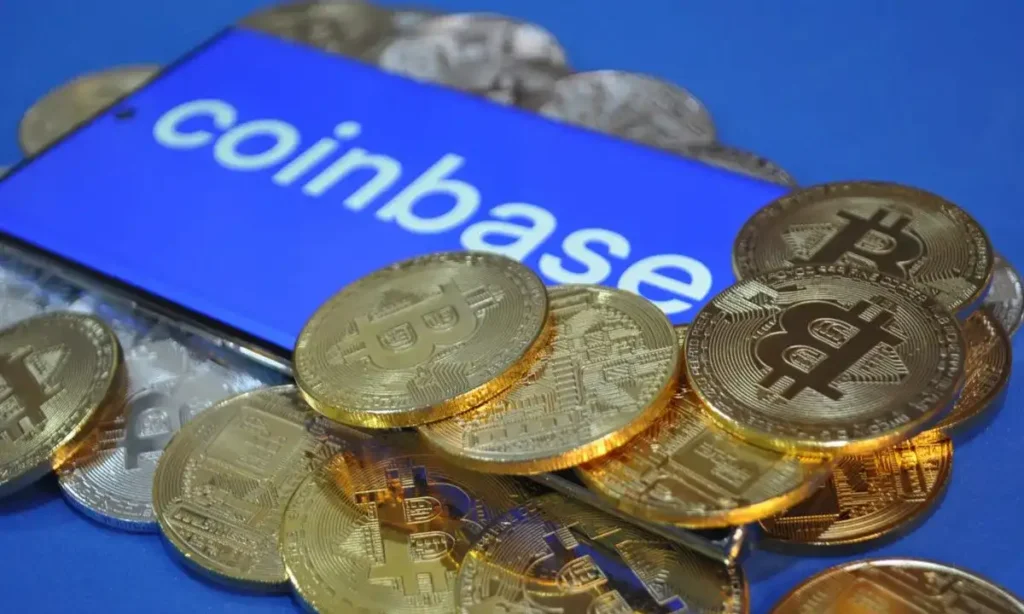
Coinbase is all about making crypto simple. The biggest strength of Coinbase is its clean and easy interface. Even an amateur can open the app and start purchasing crypto without getting confused. The platform breaks down the individual steps and provides tips to the new user.
Coinbase also offers insured custodial assets, which means your crypto stored at the platform is given extra protection. This provides peace of mind for people who are afraid of getting hacked or those who are concerned about security. The exchange also has strong security systems in place that secure user data and funds.
However, Coinbase charges trading fees that are higher in comparison to the other. With maker fees of 0.5% and taker fees of 0.6%, users have to pay more each time they make a purchase or settlement. This becomes costly for active traders who get into multiple positions on a weekly basis. The ₹50 INR deposit fee adds extra cost even before you start trading. While Coinbase does provide a great user experience, the high costs are still a major drawback.
Coinbase is ideal for new users who are searching for an easy, safe, and simple way to get started. The platform has an easier experience to use, at a price, and this makes it less favorable for long-term traders, who focus on the cost of efficiency.
Head-to-Head Fee Comparison
| Trade Amount | Binance Cost | Coinbase Cost | Savings on Binance |
|---|---|---|---|
| ₹10,000 | ₹10 (0.1%) | ₹110 (0.6% + ₹50 deposit) | ₹100 (91%) |
| $100 | $0.10 (0.1%) | $0.60 (0.6%) | $0.50 (83%) |
| ₹100,000 (Monthly) | ₹100 | ₹1,100 | ₹1,000 (91%) |
Binance vs Coinbase trading fees example table 2025—real savings for Indian users.*
When we compare Binance and Coinbase in a direct way, Binance wins in all aspects of fees.
- Maker/Taker Fees: A fee of 0.1% is charged by Binance on both. Coinbase charges 0.5% and 0.6%. This difference is large when you trade frequently.
- Withdrawal Fees: Both the exchanges charge 0.0005 BTC, so this point remains equal.
- INR Deposit Charges: Binance offers free UPI deposits. Coinbase has charged ₹50 for every INR deposit.
Let’s look at simple examples.
Example 1: ₹10,000 trade
- On Binance: 0.1% of ₹10,000 = ₹10 fee
- On Coinbase: 0.6% of ₹10,000 = ₹60 fee + ₹50 deposit fee = ₹110 total cost
You are paying 11 times as much on Coinbase for the same trade.
Example 2: $100 trade
- On Binance: 0.1% of $100 = $0.10
- On Coinbase: 0.6% of $100 = $0.60
This reveals that Coinbase becomes expensive, even for simple, small-amount trading.
Additional Factors to Consider
| Factor | Binance | Coinbase | Winner |
|---|---|---|---|
| User Experience | Advanced, complex | Simple, beginner-friendly | Coinbase |
| Supported Coins | 600+ | 200+ major | Binance |
| Advanced Features | Staking, futures, margin | Basic buy/sell | Binance |
| Safety & Trust | Reserve fund, strong security | Insured custody | Tie |
| Customer Support | Quick chat | Detailed guides, slow tickets | Binance |
Binance vs Coinbase full comparison table 2025 – Beyond fees.*
User Experience
Coinbase offers the cleanest, easiest interface for beginners. Binance is a more advanced one and has a lot of tools. Experienced traders like Binance, however, because of their desire for more control.
Supported Coins
Binance has support for more than 600 coins. Coinbase has fewer coins available but includes all major coins. If you are looking for variety, Binance becomes the better choice.
Advanced Features
Binance offers various types of earning programs, such as Binance staking, Binance futures, Binance margin trading, etc. Coinbase is much more focused on simple buying and selling. Advanced users prefer Binance, as it provides more ways to grow assets in investment.
Safety and Trust
Both of the platforms have strong security systems. Coinbase has insured custodial assets, and Binance has the largest reserve fund to ensure security to the users. Both exchanges are still trusted in the global market.
Customer Support
Both platforms provide online support, but based on user feedback, the experiences are mixed. Binance offers quicker responses to most problems. Coinbase has detailed guides but slow ticket reply times at times.
Final Verdict
Both exchanges provide strong security and global trust, but Binance gives the best value for people who trade regularly.
When comparing both platforms in terms of fees and features, Binance is the clear winner. Binance has the lowest trading fees in the market, allows free UPI deposits, and supports hundreds of coins. Traders stand to save up to 80% off fees when they use Binance as an alternative to Coinbase. To frequent or serious traders, these savings make a huge difference.
However, the final decision is up to your level of experience:
- Choose Binance if you are looking for a low fee, lots of features, and advanced tools.
- Pick Coinbase if you want a simple and easy-to-use platform, even though it is more expensive.
Both exchanges offer excellent security and trust throughout the world, but Binance is the best value for people who trade frequently.
FAQS
Which exchange has lower fees, Binance or Coinbase?
Binance has lower fees. It has 0.1% maker and taker fees, and Coinbase has much higher 0.5% maker and 0.6% taker fees.
Do both exchanges charge Bitcoin withdrawal fees?
Yes, Binance and Coinbase both have the same Bitcoin withdrawal fee of 0.0005 BTC.
Which platform is better for beginners?
Coinbase is better for beginners due to their simple and clean interface.
Does Binance offer free INR deposits?
Yes. Binance has a free UPI deposit, but Coinbase has a fee of ₹50 for every deposit in INR.
Which exchange supports more cryptocurrencies?
Binance does more than 600 cryptocurrencies, while Coinbase only supports fewer coins.
Also read: Best Crypto Wallets 2026: Ledger vs Trezor