
If buying crypto is like earning your first paycheck, then learning how to store it is like opening your first bank account. Too many beginners stop after buying Bitcoin or Ethereum, leaving it on an exchange account and assuming that’s enough. But in crypto, ownership is about control of your keys, not just account access.
Think of it this way: if you leave your paycheck under someone else’s mattress, technically it’s theirs to guard, not yours. The same is true if you leave your crypto on an exchange. The moment you hold your private keys in your own wallet, that’s when your coins are truly yours.
This guide will walk you through crypto wallets step by step—what they are, why they matter, how hot and cold wallets differ, and how you can use both together to keep your investments secure in 2025.
What is a Cryptocurrency Wallet?
At first glance, the term “wallet” makes you think of cash or cards tucked into your jeans pocket. But a crypto wallet works very differently.
It doesn’t store coins physically. Instead, it stores the keys that prove you own coins recorded on the blockchain. Every wallet manages two keys:
- Public Key (Address): Think of it as your account number or email address. Safe to share. This is where people send crypto.
- Private Key (Seed Phrase): This is your master key. Whoever has it controls your coins. Unlike a bank PIN, there is no “forgot password” button. Lose it, and your crypto is gone forever.
This setup may feel intimidating at first, but it’s what makes crypto powerful. It gives you full ownership, without needing permission from banks or governments.
Why Wallets Matter in 2025
In 2025, the crypto landscape is bigger and noisier than ever. Exchanges have millions of users. Governments are creating digital asset regulations. Scammers are evolving to trick newcomers. Amid all this, wallets remain the first line of defense.
- If an exchange gets hacked, your private wallet keeps funds safe.
- If you want to make global payments, your wallet is the bridge.
- If you want peace of mind, a properly backed-up wallet ensures you can recover funds even after losing a device.
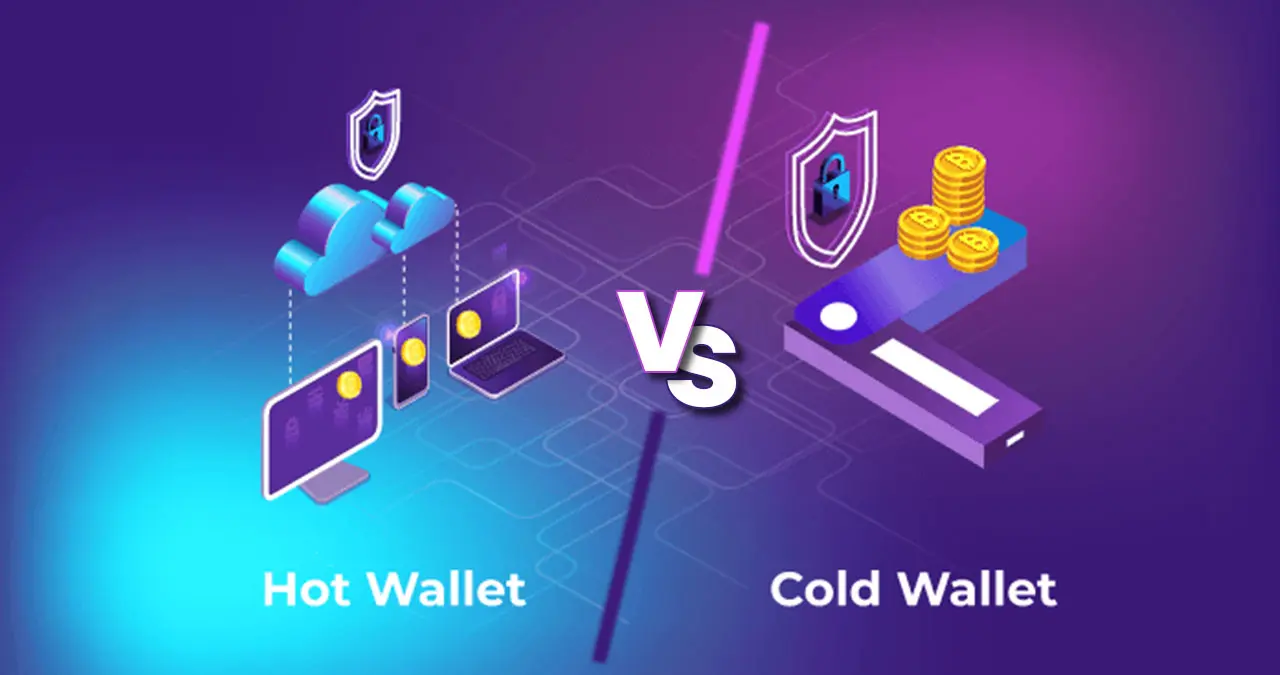
Hot Wallets: The Everyday Wallet
Hot wallets are internet-connected wallets that live on your phone, computer, or exchange. They’re fast, free, and extremely user-friendly.
Everyday Analogy
Imagine your pocket wallet. You keep some cash for groceries, coffee, or an Uber ride. It’s easy to use, but you wouldn’t keep your life savings in it.
Examples of Hot Wallets
- Mobile: Trust Wallet, MetaMask
- Desktop: Exodus, Electrum
- Web/Exchange: Coinbase, Binance, WazirX
Advantages
- Free and simple to set up
- Perfect for beginners experimenting with small amounts
- Convenient for quick trades and exploring DeFi or NFTs
Disadvantages
- Always online = vulnerable to hacks
- If you use exchange wallets, the company, not you, controls your keys
- Not secure for large amounts of crypto
Cold Wallets: The Digital Vault
Cold wallets are offline wallets. They never touch the internet, which makes them far less vulnerable to hackers.
Everyday Analogy
Think of a bank safe deposit box. You don’t use it every day, but when you want to keep gold bars or important documents safe, that’s where they go.
Types of Cold Wallets
- Hardware Wallets: Ledger Nano S Plus, Trezor Model T
- Paper Wallets: Printed keys (used less often today)
Advantages
- Immune to online hacks
- Best for long-term “HODLing”
- Ideal for large investments
Disadvantages
- Cost: $50–$200 upfront
- Slightly less convenient for frequent trading
- Physical loss of the device or phrase requires careful backup
Step-by-Step: How to Set Up a Hot Wallet
- Download Official App: Only from App Store or Google Play.
- Create Wallet: Generate your seed phrase. Write it down offline.
- Secure Access: Add PIN, fingerprint, and two-factor authentication.
- Backup Phrase: Keep it on paper or metal, not cloud or notes apps.
- Start Using: Share your public address to receive crypto.
Step-by-Step: How to Set Up a Cold Wallet
- Purchase from Official Source: Buy directly from Ledger/Trezor sites.
- Initialize Device: Connect, set a PIN, and generate a recovery phrase.
- Backup Phrase: Store securely, make at least two copies.
- Install Companion App: Ledger Live or Trezor Suite.
- Test Transfer: Send a small amount first before moving large holdings.
Best Practices for Safe Storage
1. Not Your Keys, Not Your Coins
Coins left on exchanges are custodial. You’re trusting someone else with your money.
2. Split Funds by Purpose
Treat hot wallets like checking accounts, cold wallets like savings accounts.
3. Backup in Multiple Locations
Use paper or metal backups. Store them in different safe places.
4. Test Every Transfer
A $5 test transfer can save you from a $5,000 mistake.
5. Update Software and Firmware
Only from official websites. Hackers love outdated apps.
6. Watch for Scams
No legit support team will ask for your seed phrase.
Advanced Wallet Strategies
- Multisig Wallets: Require multiple keys to unlock. Perfect for businesses.
- Watch-Only Wallets: Track balances safely without risking keys.
- Air-Gapped Wallets: Never touch the internet; used by security enthusiasts.
Mistakes to Avoid
- Keeping seed phrases in emails or phone notes
- Using SMS 2FA instead of authenticator apps
- Failing to test small transactions first
- Clicking phishing links that mimic real wallets
- Keeping 100% of crypto on exchanges
Storing Crypto in 2025: What’s Changed?
Today, wallets are simpler than ever. Hardware wallets now come with companion apps that guide you step by step. Mobile wallets integrate seamlessly with payment platforms. Even governments in some countries are working with wallet providers to create safer systems.
But one thing hasn’t changed: responsibility rests with you. In traditional banking, you can reset your password or call customer support. In crypto, losing a recovery phrase means losing access permanently.
Hot wallets and cold wallets are not competitors; they’re tools for different jobs. Hot wallets are your digital cash wallet: handy, flexible, and perfect for small amounts. Cold wallets are your vault: reliable, secure, and made for wealth preservation.
The best strategy combines both. Keep pocket change in your hot wallet, and move your savings to a cold wallet. This hybrid approach gives you the convenience of daily use with the security of offline storage.
At the end of the day, crypto wallets aren’t just about technology; they’re about peace of mind. When you know your assets are secure, you can focus on the opportunities crypto brings, instead of worrying about losing everything to a scam or hack.
So, as you step deeper into the crypto world, remember this: master your wallets, and you master your crypto journey.
Read also: What is Cryptocurrency? A Beginner’s Guide